
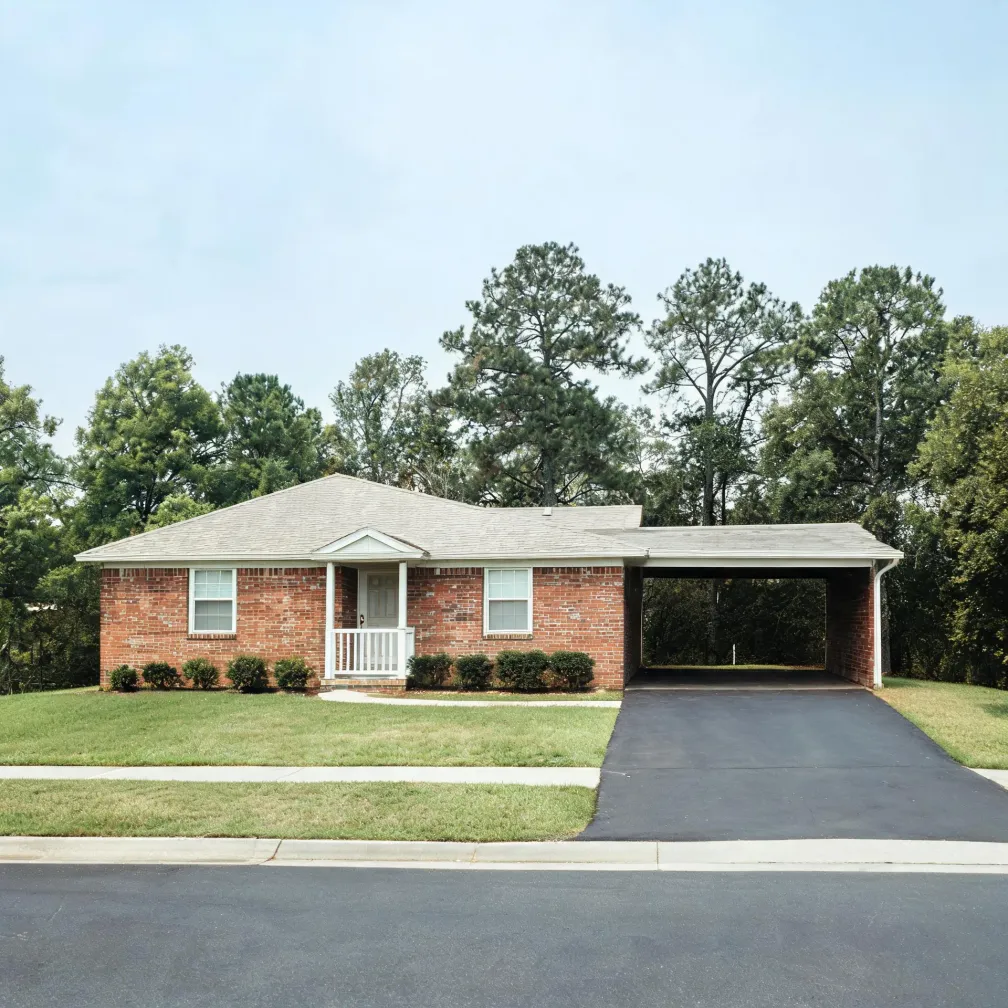
What North Carolina homes are up against.
NOAA National Centers for Environmental Information, Storm Events Database, bulk CSV export, events 2015-01-01 through 2024-12-31. · U.S. Census Bureau, 2020-2024 American Community Survey 5-Year Estimates

What a contractor finds when they open a system often depends less on how old it is than on how hard it has been asked to run. 10,154 severe weather events were recorded in North Carolina between 2015 and 2024. At that rate, equipment accumulates real operational hours against conditions that demand sustained output, and a unit specified with little margin gets found out faster than one sized to hold up under load. A county assessment matters because the gap between what a system was built for and what it has actually been doing is where the repair or replacement decision lives.

Ducts and electrical service already in a house were sized for the equipment that came with it, and neither carries a guarantee that a different unit fits without changes. Half the homes in North Carolina were built in 1991 or earlier (2020-2024 ACS 5-year). A contractor replacing a furnace or an air handler has to open and measure what is there before specifying anything, because the existing system may have been laid out for a unit with a different airflow demand than the one being installed. That gap between what the house has and what the new equipment needs is where the real scope of the job gets determined.
Does your county put extra stress on your HVAC equipment?
2015–2024 · Source: NOAA National Centers for Environmental Information, Storm Events Database.
A condenser sitting outside faces whatever the sky delivers: hail impact, ice load, high winds, flooding at the pad, and summer heat that pushes a system hard for months at a stretch. Where a county ranks in this chart reflects real accumulated pressure on equipment that lives outdoors. A licensed contractor matched to your area knows how to size a system for those conditions, where to position it, and what it will actually be asked to handle year after year.
North Carolina HVAC Installation and Repair License Requirements
North Carolina sets its own rules for who can perform HVAC installation and repair work, and the provisions below are quoted directly from those sources rather than paraphrased.
North Carolina issues Class I heating licenses covering all systems in all structures, and Class II licenses covering heating systems in single-family detached residential dwellings.
A state license requirement means the work on your home must be carried out by a contractor the state has vetted and authorized for this trade. Unlicensed work creates liability that lands on the homeowner. The contractors this site routes requests to hold the license these provisions describe, and that is the filter every request passes through before it reaches anyone.
See the source provisions2 provisions
North Carolina issues Class I heating licenses covering all systems in all structures, and Class II licenses covering heating systems in single-family detached residential dwellings.
North Carolina requires a license before any person or firm may engage in, or offer to engage in, the business of heating contracting.