Tell us about the job
Takes about a minute. No obligation.
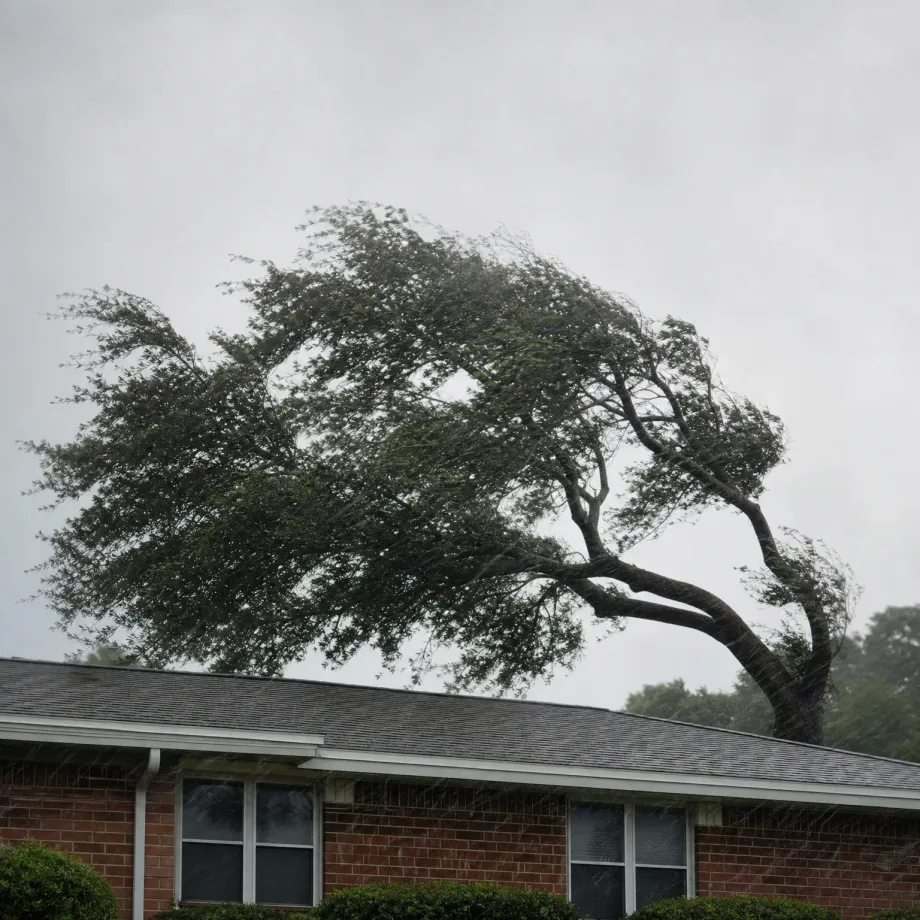
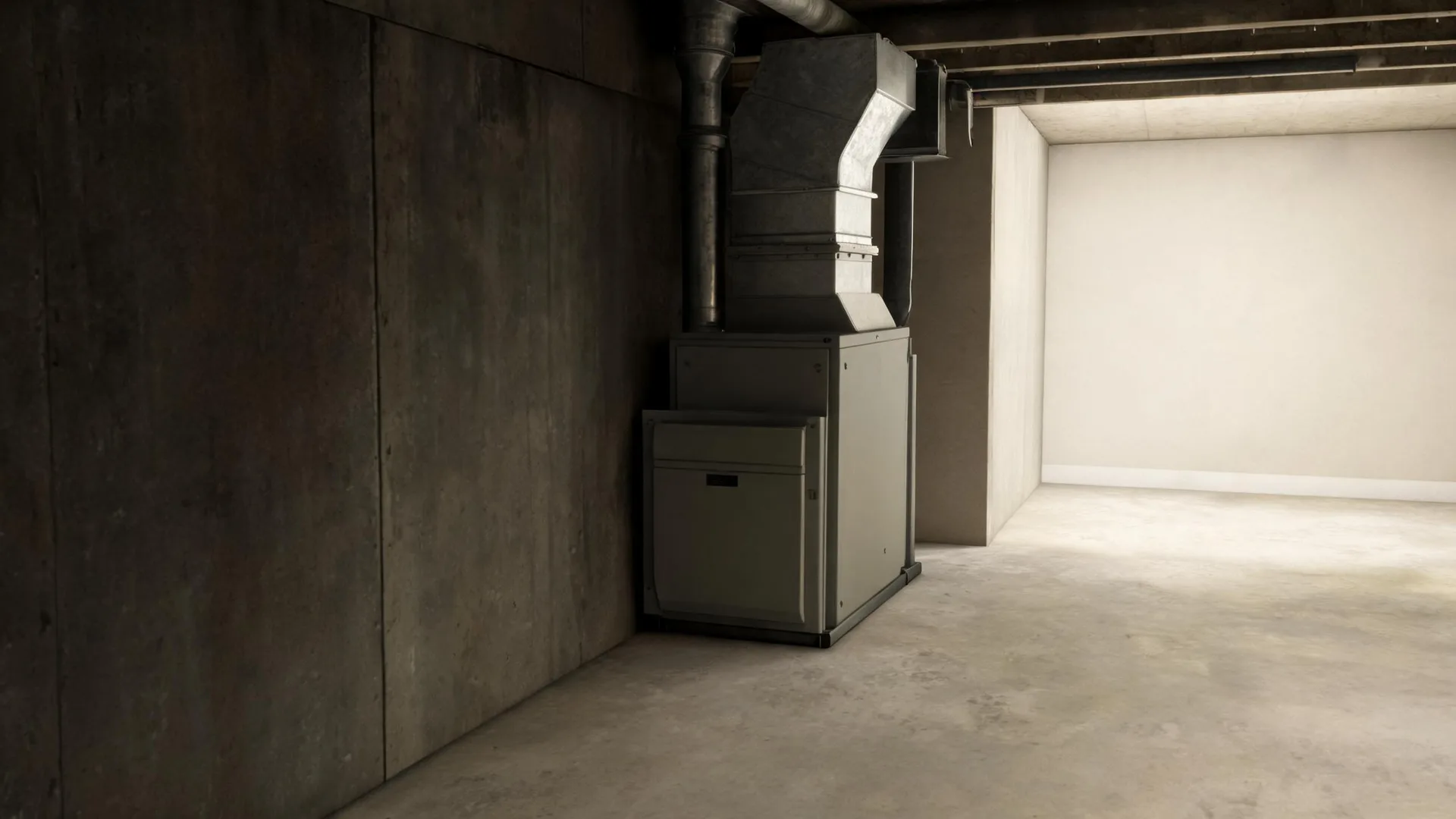
A furnace contractor quoting in Durham County has to treat local weather load as a design input, not background noise. 143 severe weather events were recorded in Durham County, North Carolina between 2015 and 2024. At that rate, a system sized from a catalog average rather than actual local demand gets installed undersized for the heating cycles this area regularly puts it through. Duct sealing, equipment capacity, and placement decisions that might be acceptable elsewhere get stressed here before the unit has run a full season.
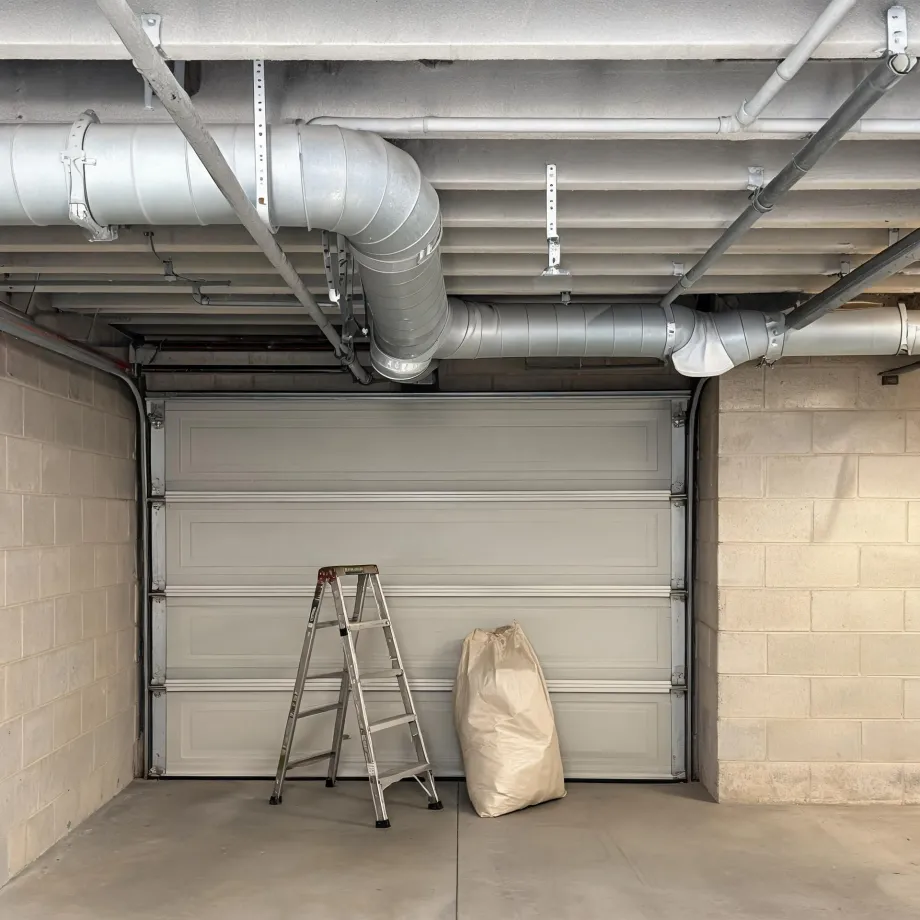
Existing ductwork is what a contractor has to account for before a furnace installation can be priced accurately. Half the homes in Durham County, North Carolina were built in 1993 or earlier (2020-2024 ACS 5-year). Ducts laid down for an older system carry the dimensions, routing, and static pressure assumptions of that equipment, and a new furnace draws and distributes air differently enough that the fit between old duct and new unit is a question, not a given. A contractor who measures the duct runs before committing to a unit size is doing the part of the job the building year actually raises.
What Gets Installed With a New Furnace
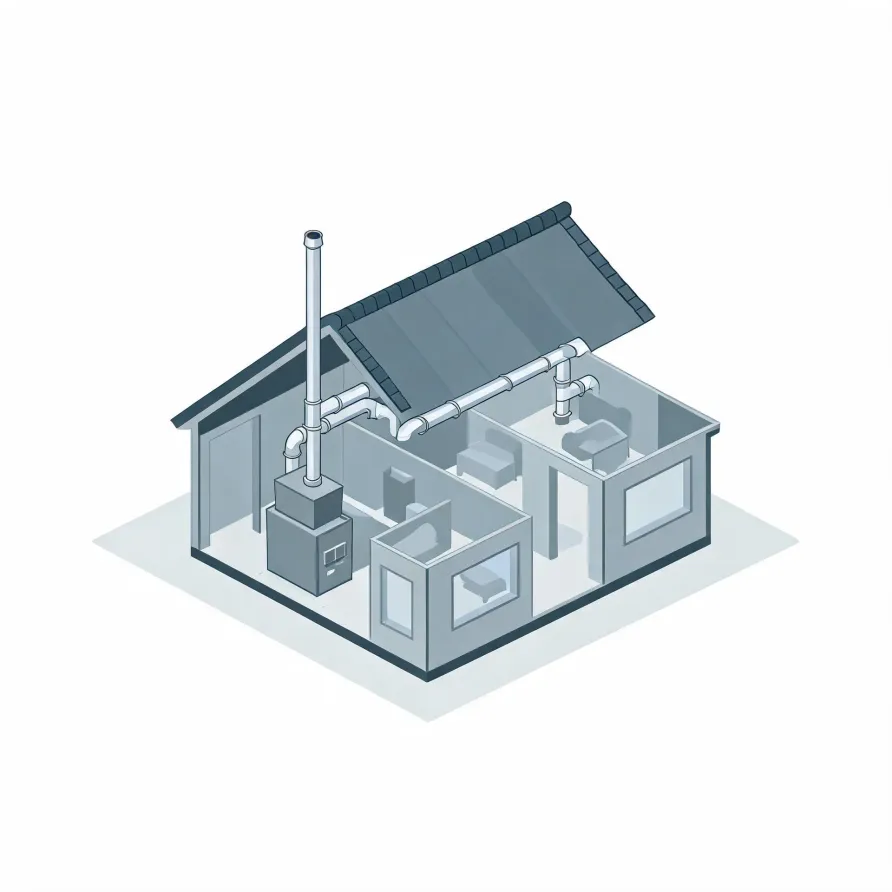
The furnace itself sits in a utility room, basement, or crawl space and is the unit that produces heat. A heat exchanger inside it transfers heat to the air that moves through your home, and a burner assembly feeds the flame that makes that happen. The flue pipe carries combustion gases out of the house.
The air handler or blower compartment sits within or directly beside the furnace cabinet and pushes conditioned air into the supply side of your home's duct system. A filter housing mounts at the return-air intake, and a thermostat on an interior wall ties the whole system together by telling the furnace when to fire.
The drawing shows a typical layout, and a licensed contractor determines exactly what applies to your house.
Find a contractor in Durham CountyDurham County, by the numbers
143 severe weather events were recorded in Durham County, North Carolina between 2015 and 2024.
NOAA National Centers for Environmental Information, Storm Events Database, bulk CSV export, events 2015-01-01 through 2024-12-31.Half the homes in Durham County, North Carolina were built in 1993 or earlier (2020-2024 ACS 5-year).
U.S. Census Bureau, 2020-2024 American Community Survey 5-Year EstimatesDurham County, North Carolina holds 153,022 housing units (2020-2024 ACS 5-year).
U.S. Census Bureau, 2020-2024 American Community Survey 5-Year EstimatesOwners occupy 55.5% of the occupied homes in Durham County, North Carolina (2020-2024 ACS 5-year).
U.S. Census Bureau, 2020-2024 American Community Survey 5-Year EstimatesFurnace Installation Rules for Durham County, North Carolina6 sourced codes and standards
What happens during a furnace installation in Durham County
Non-weatherized gas furnaces manufactured on or after November 19, 2015 must reach 80.0 percent AFUE.
Non-weatherized oil-fired furnaces manufactured on or after November 19, 2015 must reach 83.0 percent AFUE.
Mobile home gas furnaces manufactured on or after November 19, 2015 must reach 80.0 percent AFUE.
Non-weatherized gas furnaces manufactured on or after December 18, 2028 must reach 95.0 percent AFUE, up from the 80.0 percent minimum that applies to units manufactured before that date.
Licensing Rules for HVAC Work in Durham County, North Carolina
North Carolina issues Class I heating licenses covering all systems in all structures, and Class II licenses covering heating systems in single-family detached residential dwellings.
North Carolina requires a license before any person or firm may engage in, or offer to engage in, the business of heating contracting.
Severe Weather Events in Durham County
Extreme weather puts a direct load on heating equipment: hard freezes, heat spikes, and storm-driven power fluctuations all force a furnace to work harder and wear faster. What the climate does in Durham County shapes what any furnace installed here has to handle.
143 severe weather events, 2015–2024. Source: NOAA National Centers for Environmental Information, Storm Events Database.