Tell us about the job
Takes about a minute. No obligation.
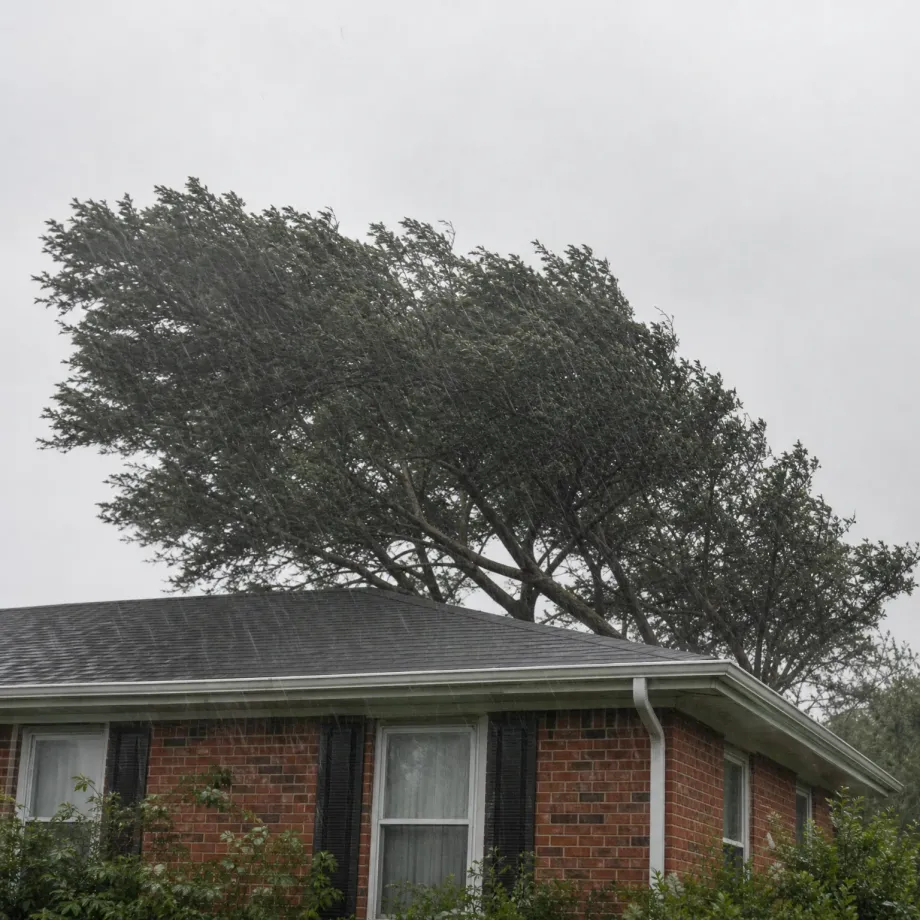
A contractor called out to diagnose a furnace problem in Buncombe County has to weigh how hard the local climate has actually pushed the equipment before landing on a cause. 88 severe weather events were recorded in Buncombe County, North Carolina between 2015 and 2024. That puts this county in roughly the middle ground: severe weather here is real but not relentless, which means a furnace that has stopped working is pointing toward age, a filter that went too long unchanged, or a component that simply wore out under ordinary use. Storm load is worth considering, but it rarely explains the failure on its own.
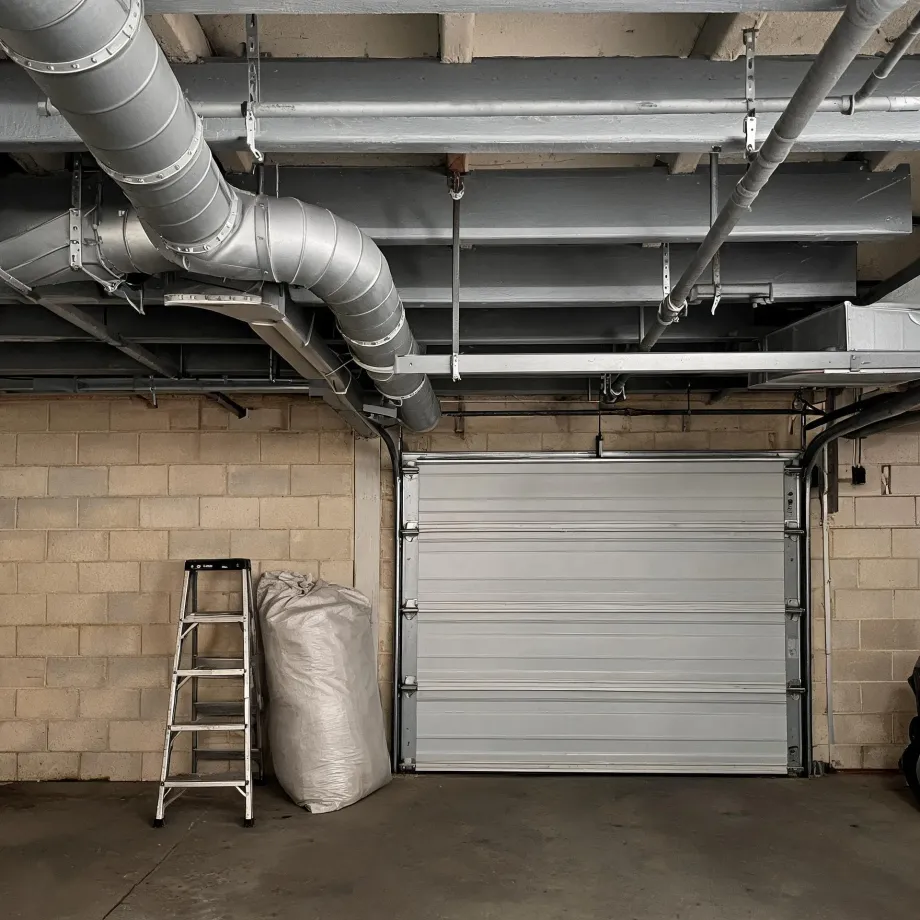
Furnaces in stock this old have often been replaced once already, which means the unit a contractor opens may be a generation or two behind current production. Half the homes in Buncombe County, North Carolina were built in 1991 or earlier (2020-2024 ACS 5-year). When a part fails in a system that old, the first question is whether it is still manufactured, and the answer determines whether the repair is a parts job or a full replacement conversation. Heat exchangers, draft inducers, and control boards for discontinued models run on whatever supply the secondary market still holds.
The Parts of a Furnace a Contractor Checks First
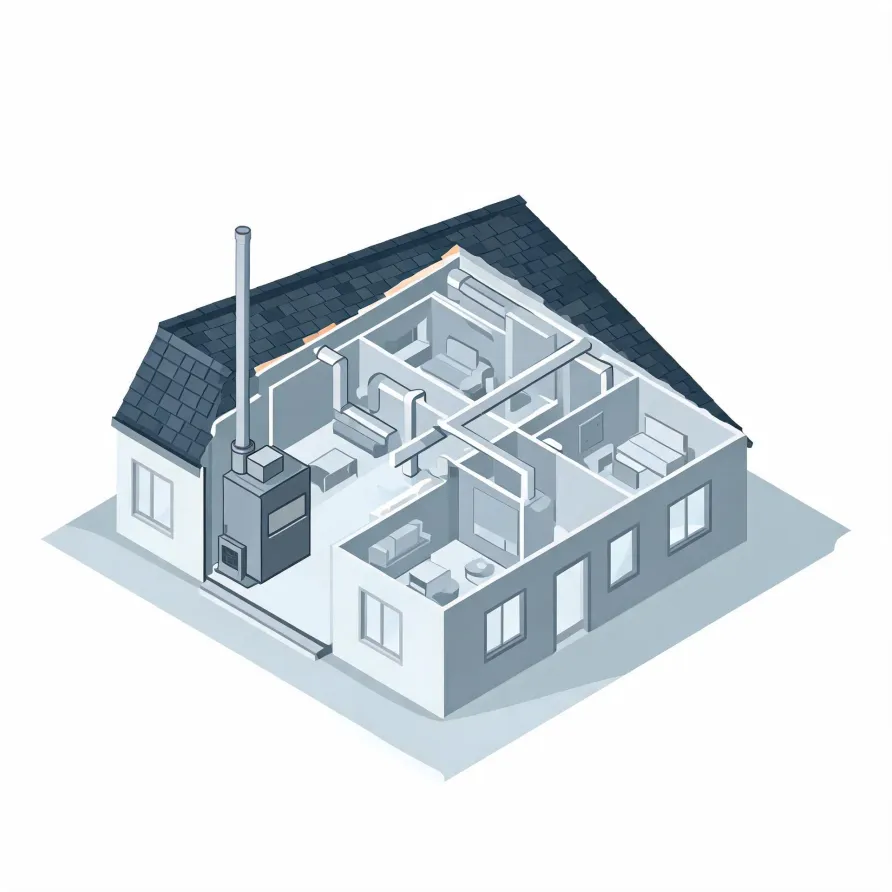
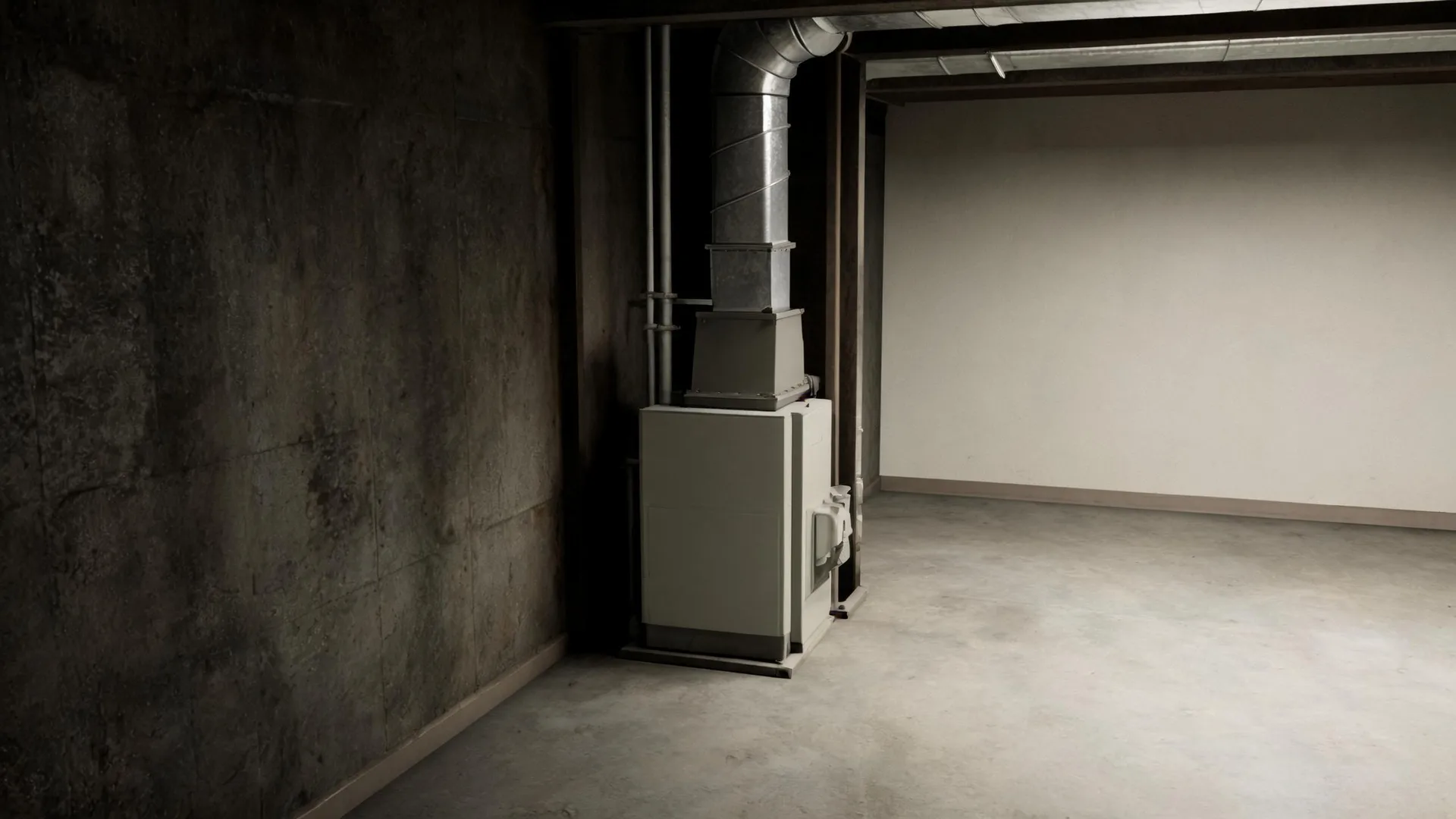
The furnace itself sits in a utility space, basement, or closet and is the piece a contractor goes to first. Inside it, the heat exchanger and burners are the parts most likely behind a heating failure. A cracked heat exchanger or a burner that won't fire will stop the system from producing any useful heat at all.
The blower motor moves conditioned air from the furnace into the supply side of the house and sits inside the furnace cabinet. Alongside it, the igniter and flame sensor work together to start and confirm combustion. When those components fail, the furnace may run its cycle without ever producing heat, or shut itself down before completing one.
The drawing shows a typical furnace layout, and a licensed contractor determines which components apply and what condition they are in for your specific system.
Find a contractor in Buncombe CountyBuncombe County by the Numbers
88 severe weather events were recorded in Buncombe County, North Carolina between 2015 and 2024.
NOAA National Centers for Environmental Information, Storm Events Database, bulk CSV export, events 2015-01-01 through 2024-12-31.Half the homes in Buncombe County, North Carolina were built in 1991 or earlier (2020-2024 ACS 5-year).
U.S. Census Bureau, 2020-2024 American Community Survey 5-Year EstimatesBuncombe County, North Carolina holds 134,483 housing units (2020-2024 ACS 5-year).
U.S. Census Bureau, 2020-2024 American Community Survey 5-Year EstimatesOwners occupy 66.2% of the occupied homes in Buncombe County, North Carolina (2020-2024 ACS 5-year).
U.S. Census Bureau, 2020-2024 American Community Survey 5-Year EstimatesCodes & Standards Covering Furnace Repair in Buncombe County, North Carolina6 sourced rules and standards
What the Repair Visit Looks Like
Non-weatherized gas furnaces manufactured on or after November 19, 2015 must reach 80.0 percent AFUE.
Non-weatherized oil-fired furnaces manufactured on or after November 19, 2015 must reach 83.0 percent AFUE.
Mobile home gas furnaces manufactured on or after November 19, 2015 must reach 80.0 percent AFUE.
Non-weatherized gas furnaces manufactured on or after December 18, 2028 must reach 95.0 percent AFUE, up from the 80.0 percent minimum that applies to units manufactured before that date.
Licensing and Legal Requirements in Buncombe County, North Carolina
North Carolina issues Class I heating licenses covering all systems in all structures, and Class II licenses covering heating systems in single-family detached residential dwellings.
North Carolina requires a license before any person or firm may engage in, or offer to engage in, the business of heating contracting.
Severe Weather Events in Buncombe County
Weather puts real stress on furnace systems. The heavier the swings a county sees, the harder local equipment works, and that wear is what repair calls are made of.
88 severe weather events, 2015–2024. Source: NOAA National Centers for Environmental Information, Storm Events Database.