Tell us about the job
Takes about a minute. No obligation.
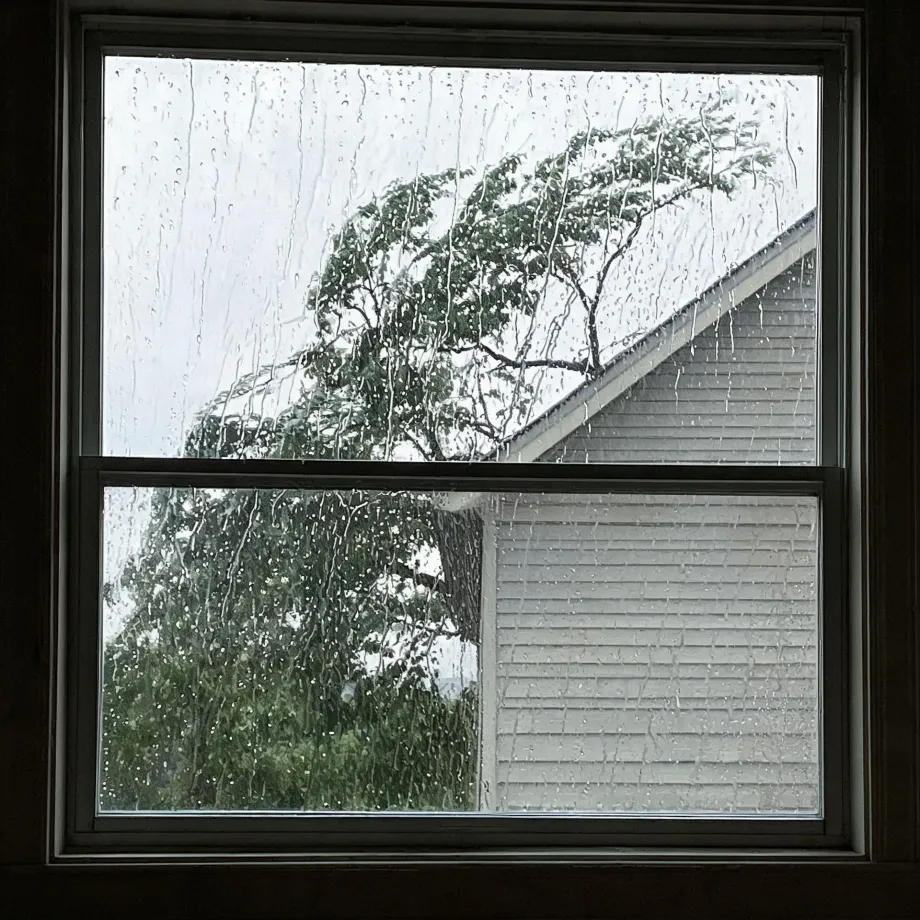
A contractor sizing up a furnace repair in Moore County has to weigh what the system has already been through, not just what broke today. 167 severe weather events were recorded in Moore County, North Carolina between 2015 and 2024. At that rate, severe weather is part of the normal working life of any heating system here, and components that carry the hardest load during temperature swings and pressure changes tend to show it first. Heat exchangers, draft inducers, and ignition assemblies are the places a contractor looks before anything else, because those are what the climate grinds on.
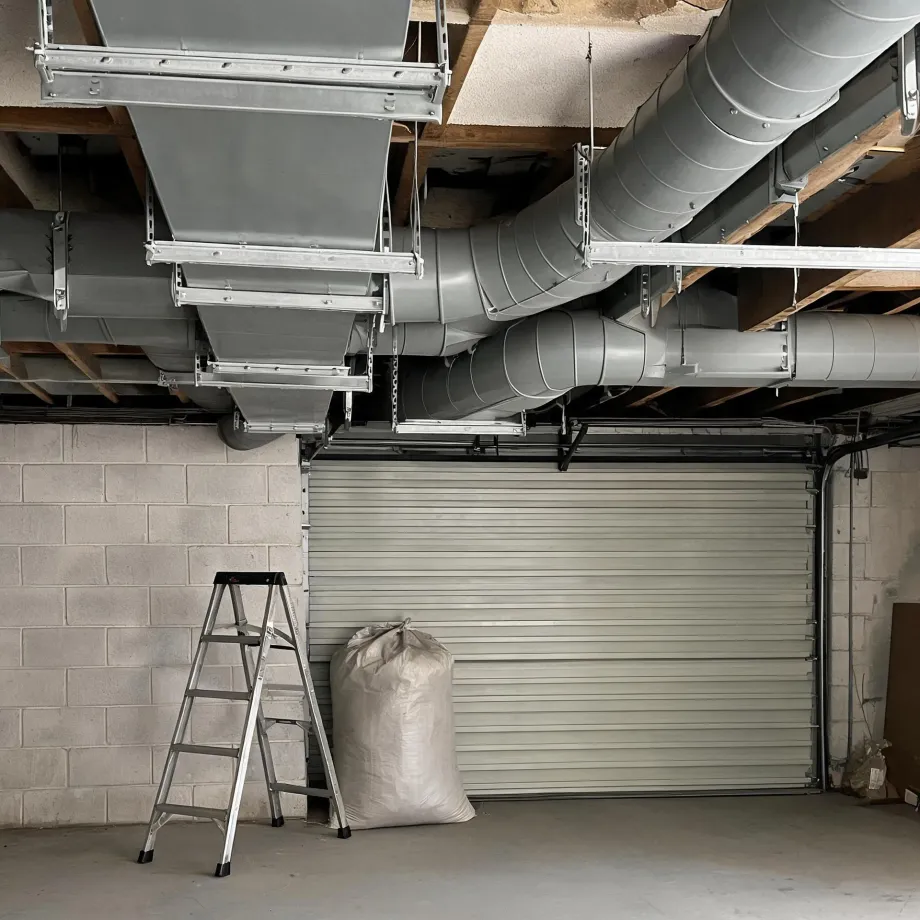
Furnace repairs in Moore County turn on what a contractor finds once the unit is open. Half the homes in Moore County, North Carolina were built in 1994 or earlier (2020-2024 ACS 5-year). A system running in a house of that age has gone through enough heating seasons that worn heat exchangers, failed ignitors, and degraded control boards each fail in their own way, and the parts a given furnace takes vary by manufacturer and model vintage. What a contractor quotes after opening the unit can differ substantially from what the call looked like at the door.
The Parts of a Furnace a Contractor Checks First
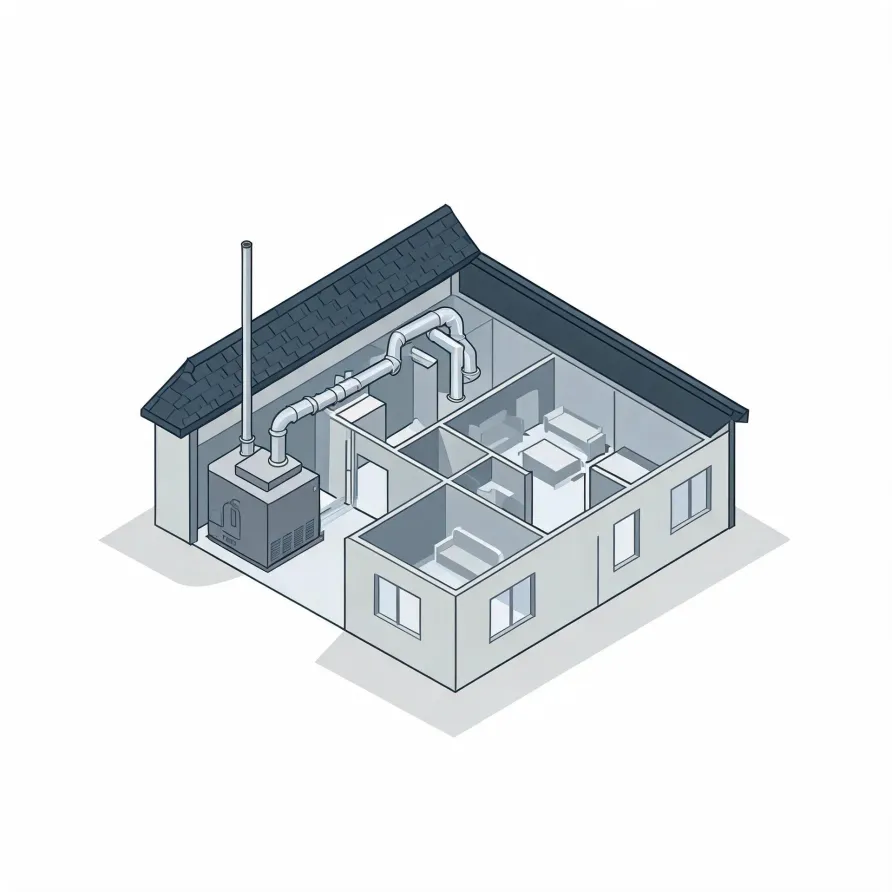
The heat exchanger sits at the core of the furnace cabinet, usually in a basement, utility closet, or crawl space, and it is the piece that transfers heat to the air moving through your home. When it cracks or corrodes, you may smell something off or the furnace may cycle erratically. The burner assembly sits just below it and is where a contractor looks when the furnace fails to ignite or produces weak heat.
The blower motor sits at the base of the cabinet and pushes conditioned air into the supply side of your duct system. Alongside it, the control board and the pressure switches govern when each component fires and in what sequence. A contractor reads fault codes from the board and tests the switches when the system behaves inconsistently or shuts itself down before completing a cycle.
The drawing shows a representative layout, and a licensed contractor determines which components apply and what condition they are in for your specific system.
Find a contractor in Moore CountyMoore County by the numbers
167 severe weather events were recorded in Moore County, North Carolina between 2015 and 2024.
NOAA National Centers for Environmental Information, Storm Events Database, bulk CSV export, events 2015-01-01 through 2024-12-31.Half the homes in Moore County, North Carolina were built in 1994 or earlier (2020-2024 ACS 5-year).
U.S. Census Bureau, 2020-2024 American Community Survey 5-Year EstimatesMoore County, North Carolina holds 50,280 housing units (2020-2024 ACS 5-year).
U.S. Census Bureau, 2020-2024 American Community Survey 5-Year EstimatesOwners occupy 76.4% of the occupied homes in Moore County, North Carolina (2020-2024 ACS 5-year).
U.S. Census Bureau, 2020-2024 American Community Survey 5-Year EstimatesCodes & Standards Covering Furnace Repair in Moore County, North Carolina6 sourced rules and standards
What Happens When a Contractor Comes Out
Non-weatherized gas furnaces manufactured on or after November 19, 2015 must reach 80.0 percent AFUE.
Non-weatherized oil-fired furnaces manufactured on or after November 19, 2015 must reach 83.0 percent AFUE.
Mobile home gas furnaces manufactured on or after November 19, 2015 must reach 80.0 percent AFUE.
Non-weatherized gas furnaces manufactured on or after December 18, 2028 must reach 95.0 percent AFUE, up from the 80.0 percent minimum that applies to units manufactured before that date.
Licensing and Legal Requirements in Moore County, North Carolina
North Carolina issues Class I heating licenses covering all systems in all structures, and Class II licenses covering heating systems in single-family detached residential dwellings.
North Carolina requires a license before any person or firm may engage in, or offer to engage in, the business of heating contracting.
Severe Weather Events in Moore County
Storms, freezes, and hard weather put real load on a furnace. Equipment that runs through repeated weather stress is equipment that wears faster, and Moore County repair contractors see that wear directly in the calls they take.
167 severe weather events, 2015–2024. Source: NOAA National Centers for Environmental Information, Storm Events Database.