Tell us about the job
Takes about a minute. No obligation.
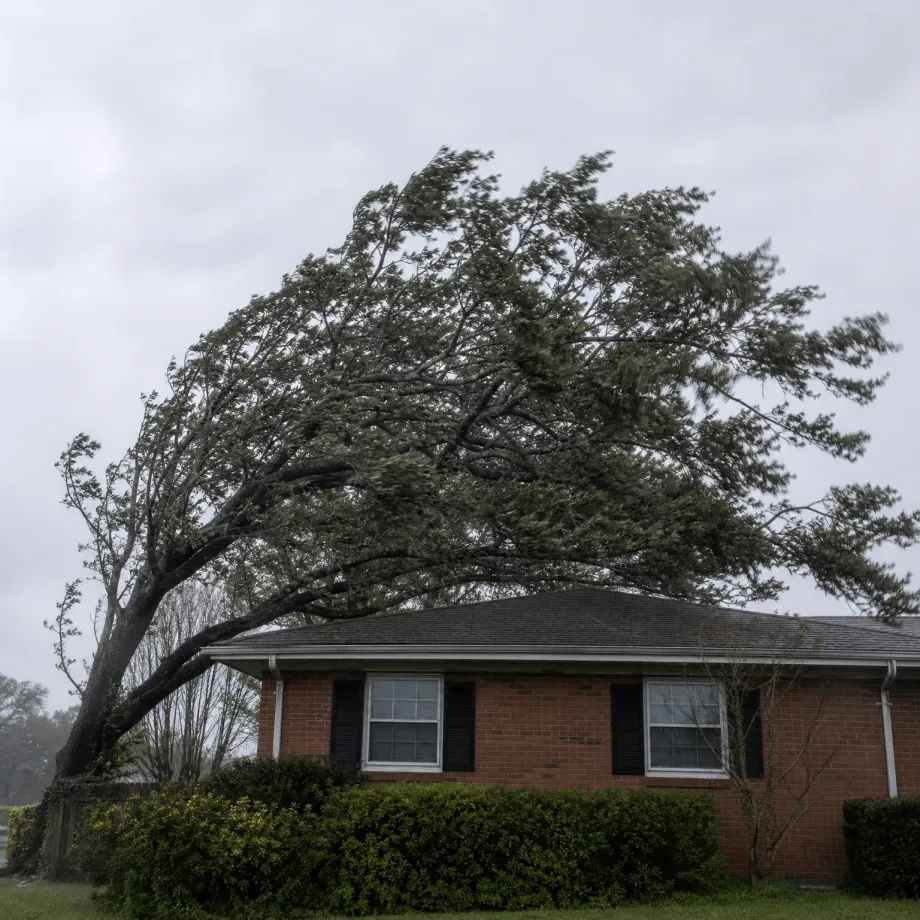
A furnace repair in Jones County starts with the same questions a contractor asks anywhere: how old is the unit, has it been serviced, and what failed first. 57 severe weather events were recorded in Jones County, North Carolina between 2015 and 2024. That is a real load on equipment over time, and a contractor working a furnace here will check heat exchanger wear and ignition components that accumulate fatigue under regular demand. Still, the record here sits low enough that weather alone rarely accounts for a failed part. A cracked heat exchanger or a dead control board usually points back to age and service gaps.
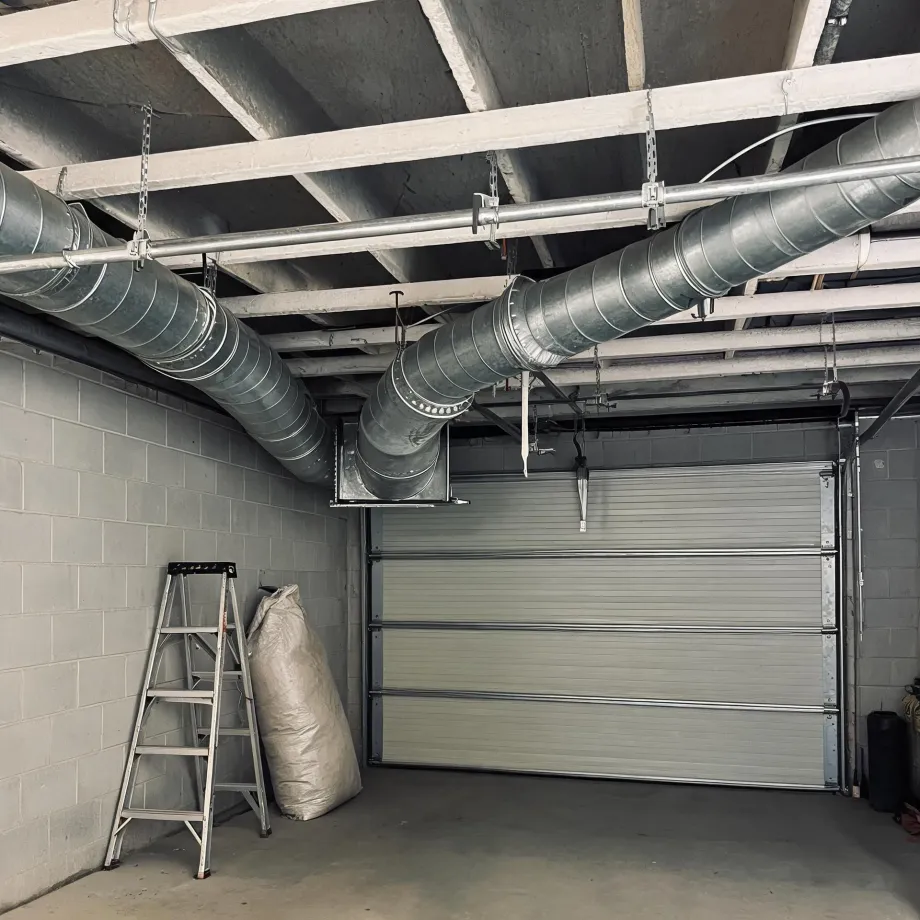
Furnaces in stock this old have usually been through at least one replacement cycle, and the unit a contractor opens may be running parts that are no longer in routine production. Half the homes in Jones County, North Carolina were built in 1988 or earlier (2020-2024 ACS 5-year). That gap between when a house was built and what now runs in it is where a repair either stays contained or grows: if a failed component is still made, the job closes quickly; if it is not, the contractor is sourcing from specialty suppliers or advising on a full unit swap. The age of the house sets the context, but what the opened furnace actually contains determines the bill.
The Parts of a Furnace a Contractor Checks First
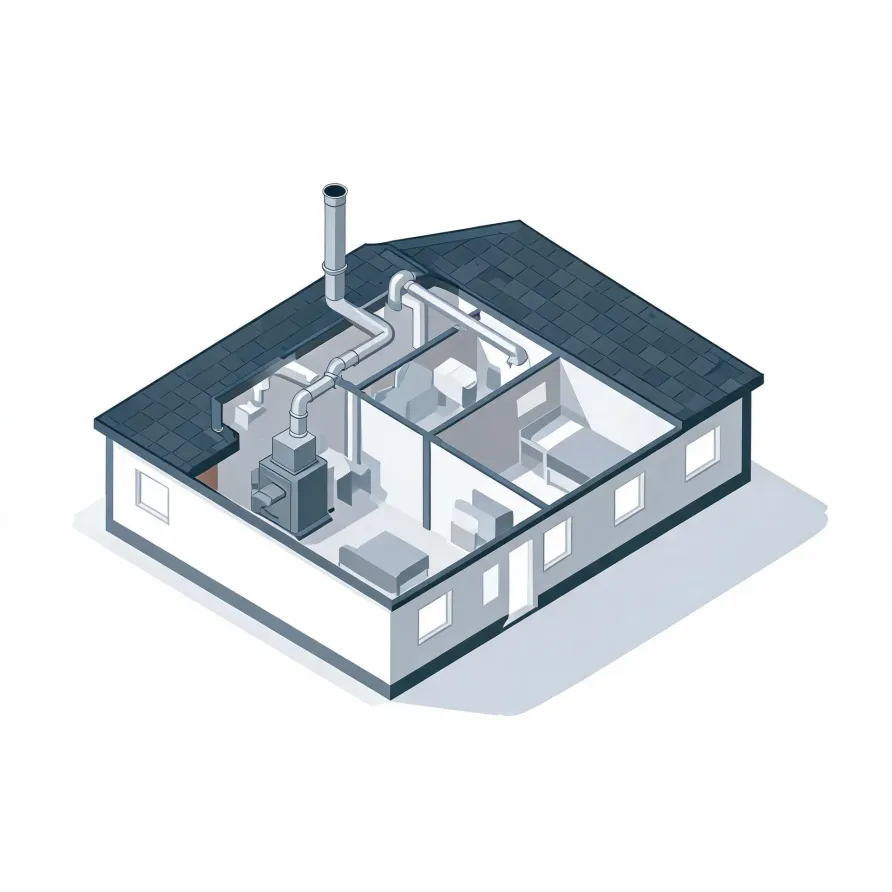
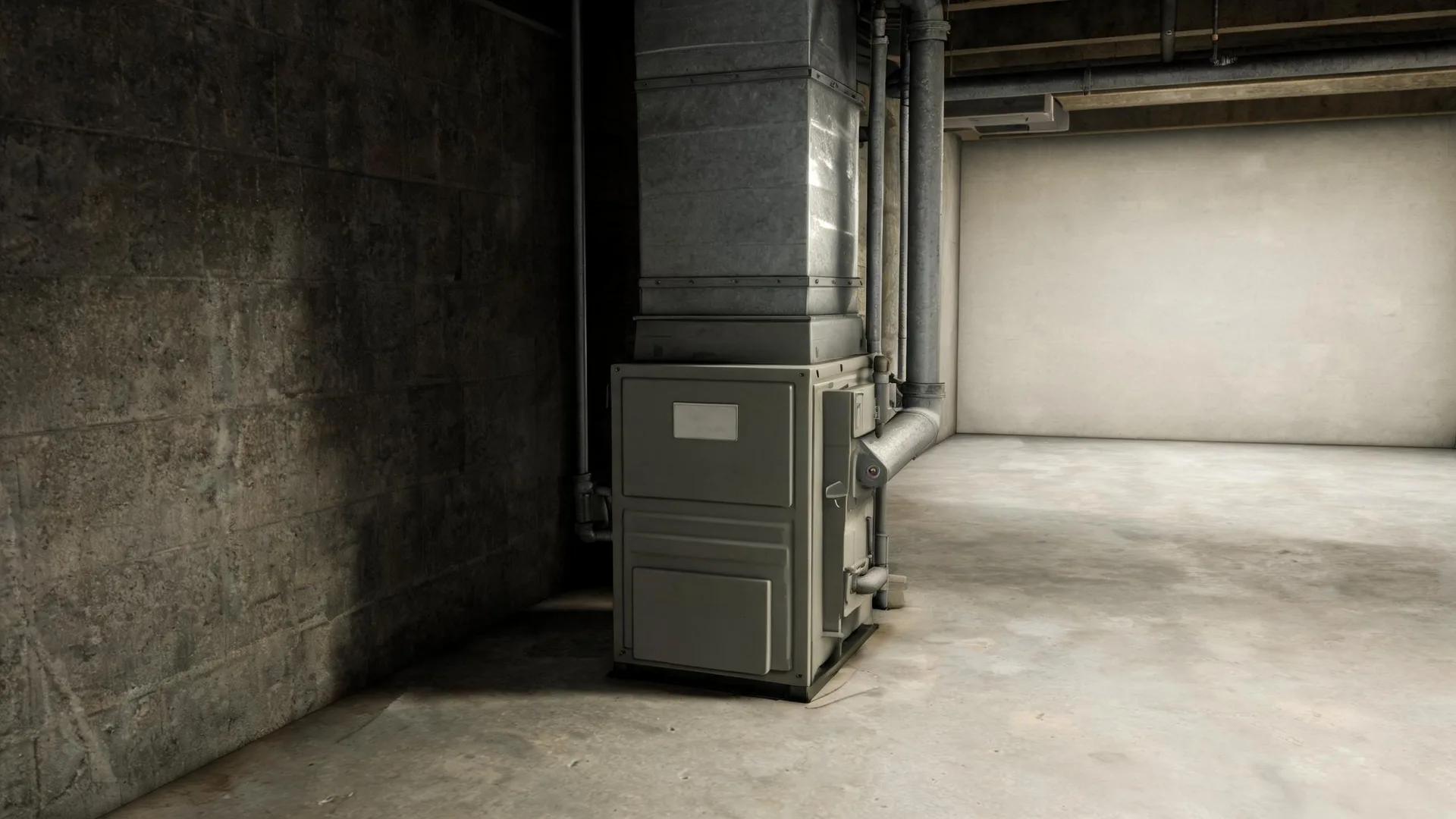
The furnace itself sits in a basement, utility closet, or crawlspace and is the piece a contractor opens first. Inside it, the heat exchanger is the part most worth attention on a repair call: it holds combustion gases separate from the air your home breathes, and a crack there is one of the more serious findings a contractor can make.
The blower motor pulls air across the heat exchanger and pushes it through the supply side of your duct system. Alongside it, the draft inducer, the igniter, and the flame sensor each play a role in starting and sustaining a burn cycle, and any one of them can be the reason a furnace runs poorly, short-cycles, or refuses to start.
The drawing shows a typical furnace layout, and a licensed contractor determines which components apply to the specific equipment and setup in your home.
Find a contractor in Jones CountyJones County, NC, by the numbers
57 severe weather events were recorded in Jones County, North Carolina between 2015 and 2024.
NOAA National Centers for Environmental Information, Storm Events Database, bulk CSV export, events 2015-01-01 through 2024-12-31.Half the homes in Jones County, North Carolina were built in 1988 or earlier (2020-2024 ACS 5-year).
U.S. Census Bureau, 2020-2024 American Community Survey 5-Year EstimatesJones County, North Carolina holds 4,698 housing units (2020-2024 ACS 5-year).
U.S. Census Bureau, 2020-2024 American Community Survey 5-Year EstimatesOwners occupy 79.4% of the occupied homes in Jones County, North Carolina (2020-2024 ACS 5-year).
U.S. Census Bureau, 2020-2024 American Community Survey 5-Year EstimatesCodes & Standards Governing Furnace Repair in Jones County, North Carolina6 sourced rules & standards
What Furnace Repair Looks Like in Jones County
Non-weatherized gas furnaces manufactured on or after November 19, 2015 must reach 80.0 percent AFUE.
Non-weatherized oil-fired furnaces manufactured on or after November 19, 2015 must reach 83.0 percent AFUE.
Mobile home gas furnaces manufactured on or after November 19, 2015 must reach 80.0 percent AFUE.
Non-weatherized gas furnaces manufactured on or after December 18, 2028 must reach 95.0 percent AFUE, up from the 80.0 percent minimum that applies to units manufactured before that date.
Licensing Rules for HVAC Work in Jones County, North Carolina
North Carolina issues Class I heating licenses covering all systems in all structures, and Class II licenses covering heating systems in single-family detached residential dwellings.
North Carolina requires a license before any person or firm may engage in, or offer to engage in, the business of heating contracting.
Weather Stress on HVAC Equipment in Jones County
Heating systems work against whatever the local climate throws at them, and Jones County has its share of weather events that push equipment hard. Demand spikes, temperature swings, and storm-related power fluctuations all shorten the service life of a furnace, which is why local repair history and local conditions belong in the same conversation.
57 severe weather events, 2015–2024. Source: NOAA National Centers for Environmental Information, Storm Events Database.