Tell us about the job
Takes about a minute. No obligation.
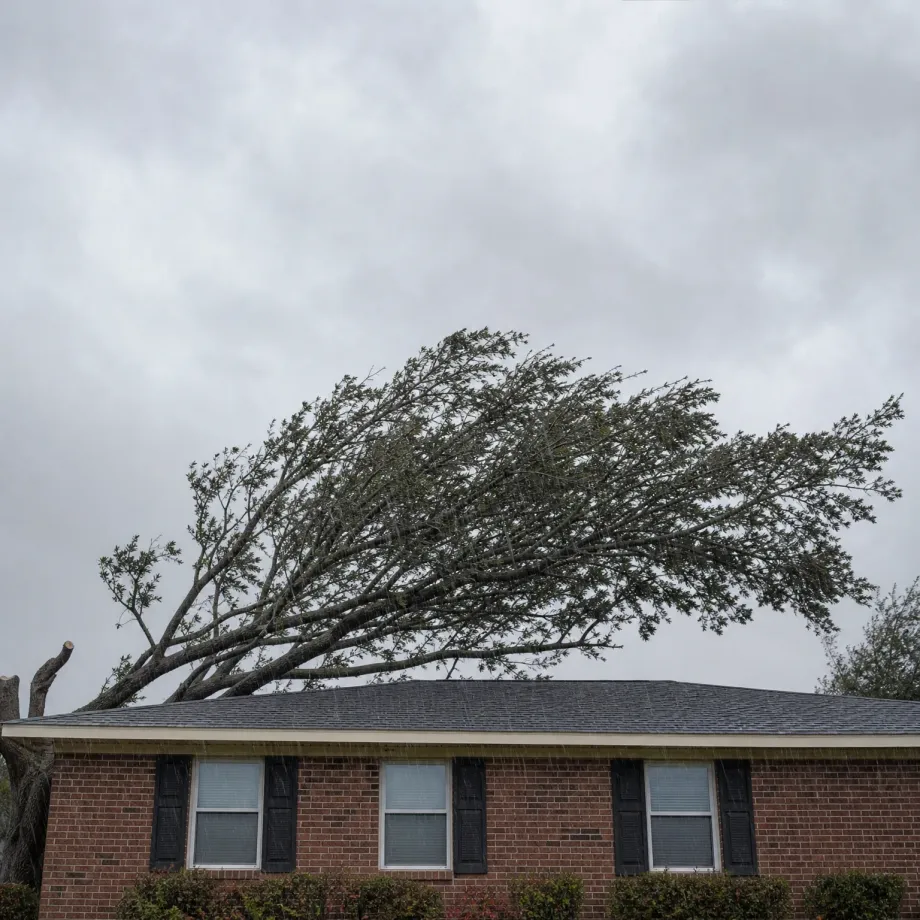
A furnace repair in Stanly County starts with the system itself, not the weather outside. 82 severe weather events were recorded in Stanly County, North Carolina between 2015 and 2024. At that rate, severe weather touches equipment here but does not grind it down the way a relentless climate would. A contractor checking a failed heat exchanger or a burned-out inducer motor is looking at how old the unit is, how well it was installed, and whether it has been serviced. Those are the variables that decide what failed and what the repair costs.
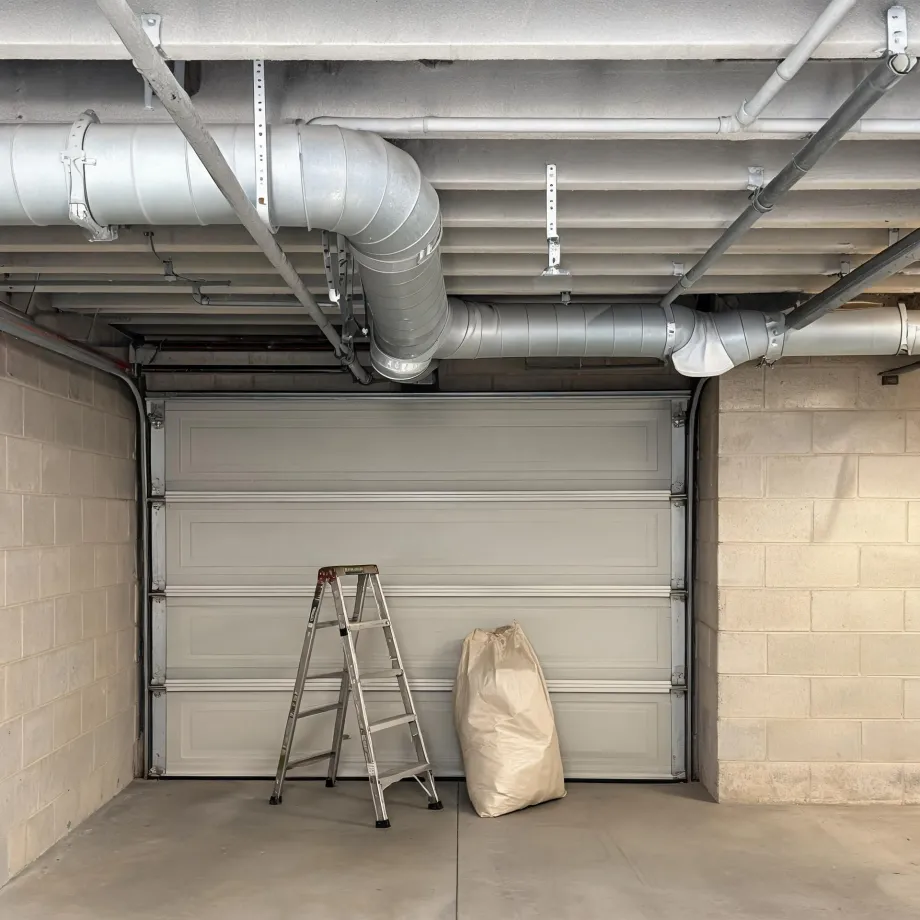
Ductwork laid down when most houses here were built was sized and sealed for equipment that no longer exists in these homes. What a contractor finds once a furnace is open in this county tends to reach further than the presenting fault: cracked heat exchangers, blocked flue passages, and duct connections that have worked loose over a long service life. Half the homes in Stanly County, North Carolina were built in 1976 or earlier (2020-2024 ACS 5-year). That history means the repair scope on a furnace call here is set by what the opened system actually contains, not by what the homeowner noticed first.
The Parts of a Furnace a Contractor Checks First
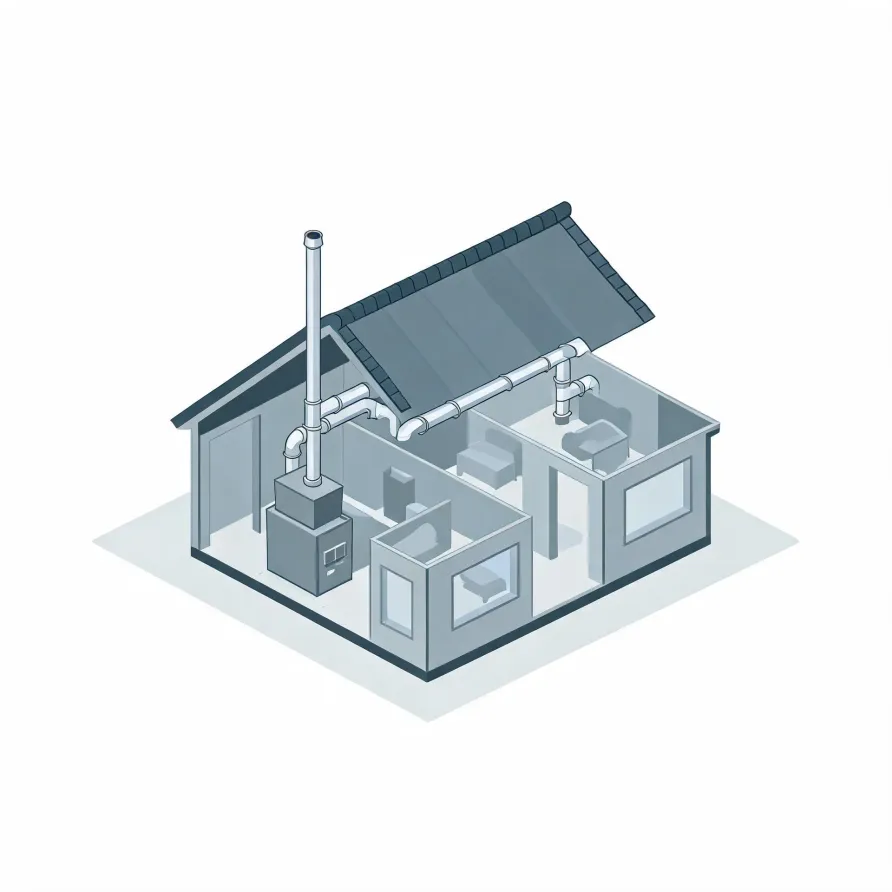
The furnace itself sits in a utility room, basement, or closet and is the piece that produces heat. Inside it, the heat exchanger is one of the first things a contractor looks at when something is wrong, because a crack there affects both performance and safety. The burners, which sit inside the cabinet and ignite the fuel, are another early stop.
The blower motor moves conditioned air from the cabinet into the duct system and is a common source of airflow problems when it wears or fails. The flue pipe runs from the cabinet to an outside vent and carries exhaust gases out of the house. The thermostat, mounted on a wall inside the living space, sends the signal that starts and stops the whole sequence, and a contractor checks it when the furnace is not responding as expected.
The drawing shows the general layout of these components, and a licensed contractor determines which parts apply and what condition they are in for your specific home.
Find a contractor in Stanly CountyStanly County, by the numbers
82 severe weather events were recorded in Stanly County, North Carolina between 2015 and 2024.
NOAA National Centers for Environmental Information, Storm Events Database, bulk CSV export, events 2015-01-01 through 2024-12-31.Half the homes in Stanly County, North Carolina were built in 1976 or earlier (2020-2024 ACS 5-year).
U.S. Census Bureau, 2020-2024 American Community Survey 5-Year EstimatesStanly County, North Carolina holds 28,632 housing units (2020-2024 ACS 5-year).
U.S. Census Bureau, 2020-2024 American Community Survey 5-Year EstimatesOwners occupy 74.5% of the occupied homes in Stanly County, North Carolina (2020-2024 ACS 5-year).
U.S. Census Bureau, 2020-2024 American Community Survey 5-Year EstimatesCodes & Standards Covering Furnace Repair in Stanly County, North Carolina6 sourced rules and standards
What Furnace Repair Looks Like in Stanly County
Non-weatherized gas furnaces manufactured on or after November 19, 2015 must reach 80.0 percent AFUE.
Non-weatherized oil-fired furnaces manufactured on or after November 19, 2015 must reach 83.0 percent AFUE.
Mobile home gas furnaces manufactured on or after November 19, 2015 must reach 80.0 percent AFUE.
Non-weatherized gas furnaces manufactured on or after December 18, 2028 must reach 95.0 percent AFUE, up from the 80.0 percent minimum that applies to units manufactured before that date.
Licensing and Legal Requirements in Stanly County, North Carolina
North Carolina issues Class I heating licenses covering all systems in all structures, and Class II licenses covering heating systems in single-family detached residential dwellings.
North Carolina requires a license before any person or firm may engage in, or offer to engage in, the business of heating contracting.
Severe Weather Events in Stanly County
Weather patterns in Stanly County put real stress on furnace equipment, driving the kind of wear that turns into repair calls. Knowing what the local climate asks of a system is part of understanding why maintenance and service needs vary from one region to the next.
82 severe weather events, 2015–2024. Source: NOAA National Centers for Environmental Information, Storm Events Database.