Tell us about the job
Takes about a minute. No obligation.
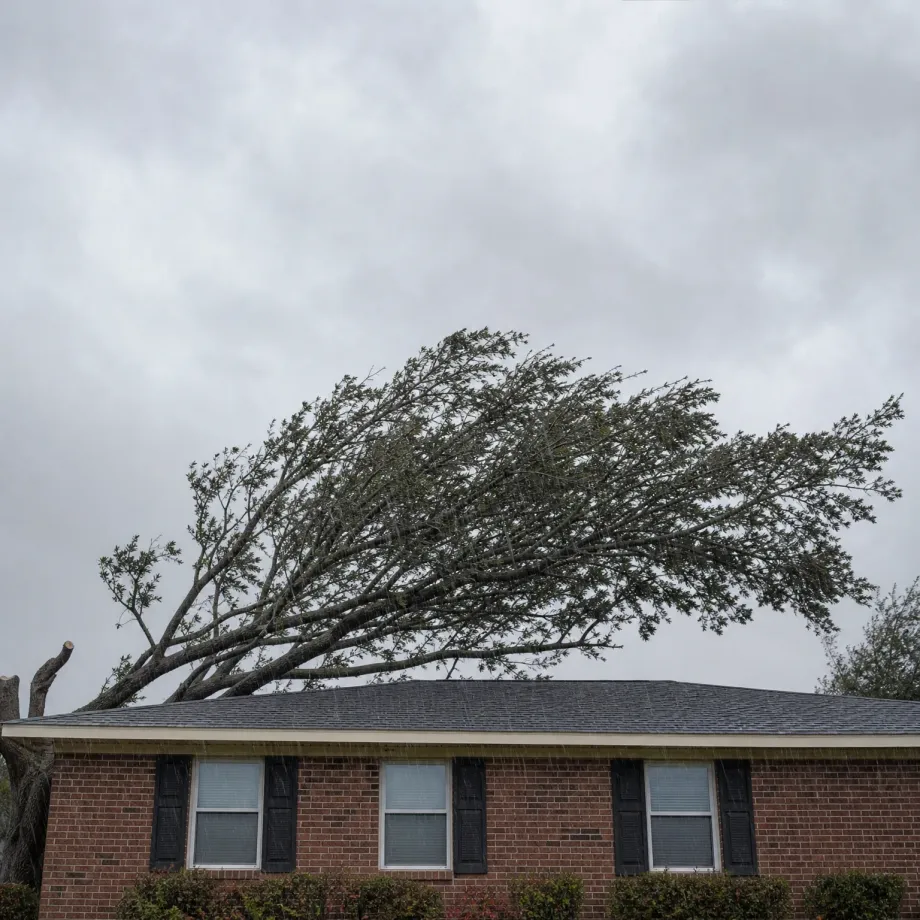
A furnace quoted without accounting for what this area actually demands will be undersized, and an undersized furnace does not fail slowly. 119 severe weather events were recorded in Watauga County, North Carolina between 2015 and 2024. At that rate of severe weather, a contractor has to treat load calculations as the first decision, not a formality that follows the equipment selection. The brand on the cabinet matters less than whether the heat exchanger and blower are matched to how hard that system will be pushed in an average Watauga County winter.
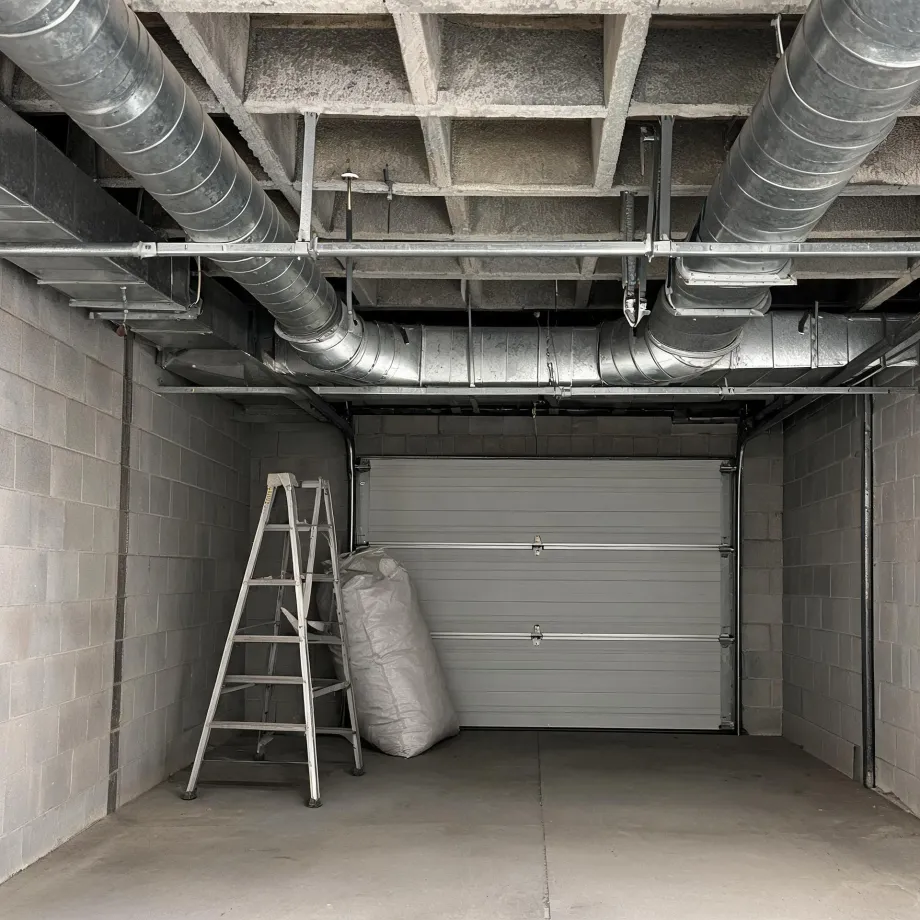
Existing ductwork is what a furnace installation turns on in Watauga County. Half the homes in Watauga County, North Carolina were built in 1988 or earlier (2020-2024 ACS 5-year). A house built in that era was sized and ducted for equipment with different airflow demands than a current furnace carries, and the contractor's job begins with reading whether what is already in the walls and floors can handle what the new unit will push through it. If it cannot, the duct run becomes part of the scope before the furnace itself is touched. Electrical service gets the same check, since panel capacity varies house to house regardless of age.
What Gets Installed With a New Furnace
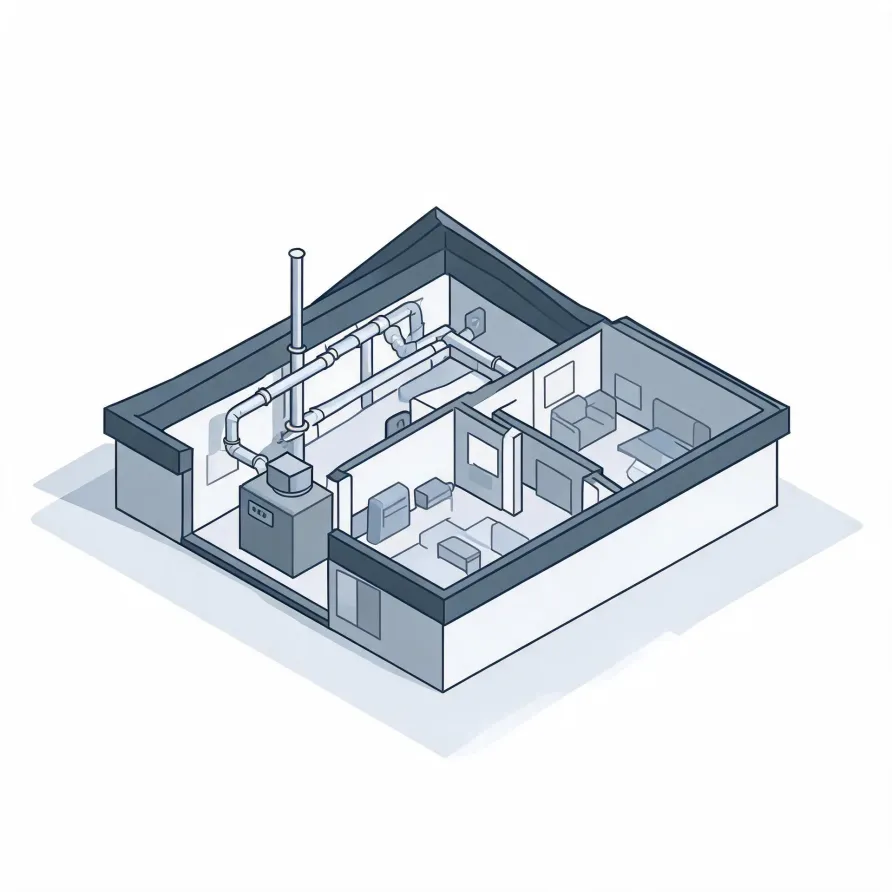
The furnace itself sits inside the house, most often in a basement, utility room, or closet. It holds the burner assembly, the heat exchanger, and the blower, all housed in a single metal cabinet. That cabinet is the core of what a contractor brings in and connects.
The flue pipe runs from the cabinet up and out of the house, carrying combustion gases away. The thermostat mounts on a wall in the living space and gives the homeowner control over the whole system. A filter housing attaches at the air intake, and a contractor fits it to match the cabinet and the space.
The drawing shows a representative layout, and a licensed contractor determines what the installation calls for in your specific home.
Find a contractor in Watauga CountyWatauga County, by the numbers
119 severe weather events were recorded in Watauga County, North Carolina between 2015 and 2024.
NOAA National Centers for Environmental Information, Storm Events Database, bulk CSV export, events 2015-01-01 through 2024-12-31.Half the homes in Watauga County, North Carolina were built in 1988 or earlier (2020-2024 ACS 5-year).
U.S. Census Bureau, 2020-2024 American Community Survey 5-Year EstimatesWatauga County, North Carolina holds 33,355 housing units (2020-2024 ACS 5-year).
U.S. Census Bureau, 2020-2024 American Community Survey 5-Year EstimatesOwners occupy 62.1% of the occupied homes in Watauga County, North Carolina (2020-2024 ACS 5-year).
U.S. Census Bureau, 2020-2024 American Community Survey 5-Year EstimatesFurnace Installation Rules for Watauga County, North Carolina6 codes & standards
What the installation looks like in practice
Non-weatherized gas furnaces manufactured on or after November 19, 2015 must reach 80.0 percent AFUE.
Non-weatherized oil-fired furnaces manufactured on or after November 19, 2015 must reach 83.0 percent AFUE.
Mobile home gas furnaces manufactured on or after November 19, 2015 must reach 80.0 percent AFUE.
Non-weatherized gas furnaces manufactured on or after December 18, 2028 must reach 95.0 percent AFUE, up from the 80.0 percent minimum that applies to units manufactured before that date.
Licensing Rules for Watauga County, North Carolina
North Carolina issues Class I heating licenses covering all systems in all structures, and Class II licenses covering heating systems in single-family detached residential dwellings.
North Carolina requires a license before any person or firm may engage in, or offer to engage in, the business of heating contracting.
Severe Weather Events in Watauga County
Weather puts a load on heating equipment, and that load varies by location. What the climate does in Watauga County over time is part of what determines how hard a furnace has to work and how well it needs to be sized and installed.
119 severe weather events, 2015–2024. Source: NOAA National Centers for Environmental Information, Storm Events Database.