Tell us about the job
Takes about a minute. No obligation.
A contractor quoting a furnace repair in this county starts from what the equipment has actually been through. 119 severe weather events were recorded in Watauga County, North Carolina between 2015 and 2024. At that rate, severe weather is a periodic stressor rather than a constant one, which means a struggling heat exchanger or a failed igniter is more likely tracing back to age or deferred service than to weather-driven wear. When a contractor opens the unit, they look at the burner assembly, the limit switch, and the heat exchanger for the kind of fatigue that builds over years of normal cycling. A weather record that modest does not carry a failed component.
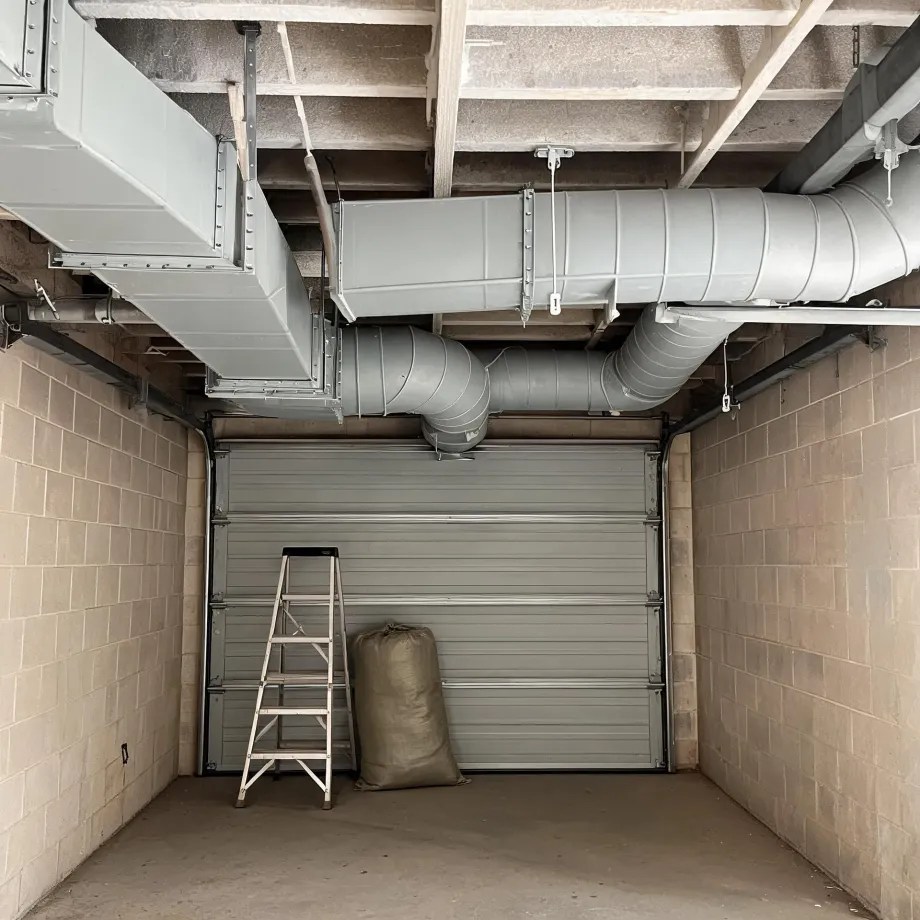
Furnace parts for a system installed in a house built well before the turn of the century are not always in circulation anymore. Half the homes in Watauga County, North Carolina were built in 1988 or earlier (2020-2024 ACS 5-year). That spread across the county's housing means a contractor opening a failed furnace here has to confirm parts availability before a repair scope means anything. If the heat exchanger, draft inducer, or control board a system takes has been discontinued, the diagnosis lands on a replacement conversation regardless of what the rest of the unit looks like. The age of the house tells you the era of the first installation; what the manufacturer's current parts catalog says decides whether repair is the path forward.
The Parts of a Furnace a Contractor Checks First
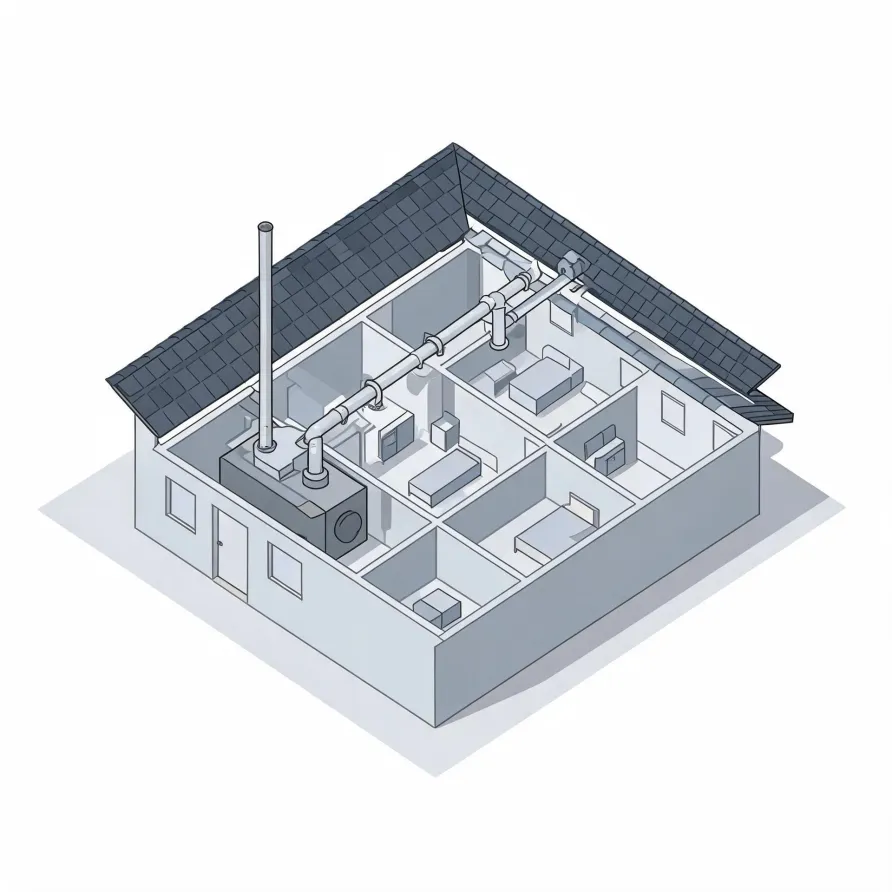
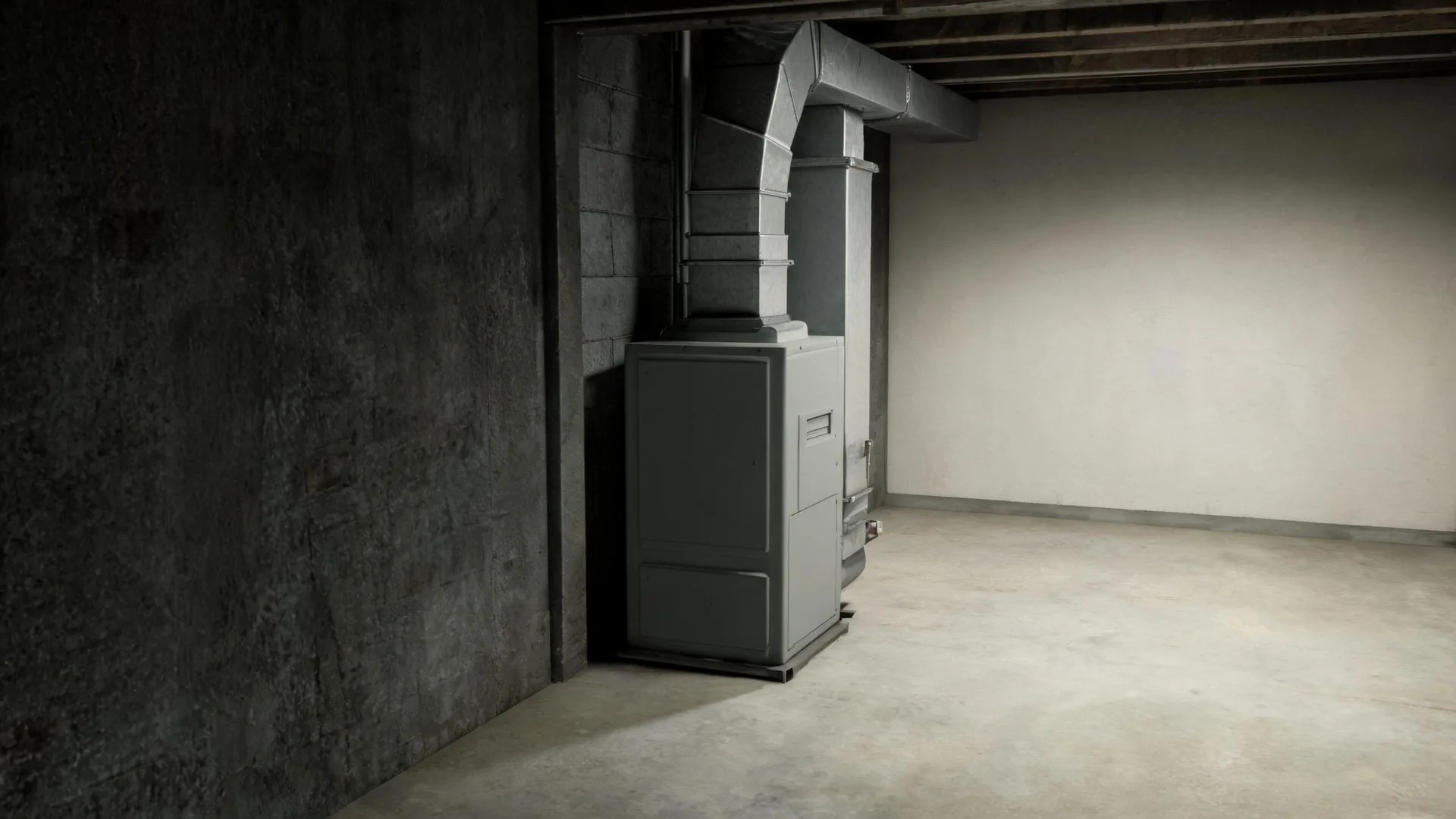
The furnace itself sits inside the home, most often in a basement, utility closet, or crawl space. At its core is the heat exchanger, the metal chamber where combustion heat transfers to the air moving through your system. When a furnace short-cycles, blows cold air, or fails to start, the heat exchanger, burners, and igniter are where a contractor looks first.
The blower motor pushes conditioned air out through the supply side and draws return air back in. The flue or exhaust vent runs from the furnace to the outside, and the gas valve controls fuel delivery to the burners. A failing blower motor, a cracked flue, or a stuck gas valve each produce distinct symptoms that point a contractor toward the right component.
The drawing shows a general layout of these components, and a licensed contractor determines what applies to the specific equipment and configuration in your home.
Find a contractor in Watauga CountyWatauga County, by the numbers
119 severe weather events were recorded in Watauga County, North Carolina between 2015 and 2024.
NOAA National Centers for Environmental Information, Storm Events Database, bulk CSV export, events 2015-01-01 through 2024-12-31.Half the homes in Watauga County, North Carolina were built in 1988 or earlier (2020-2024 ACS 5-year).
U.S. Census Bureau, 2020-2024 American Community Survey 5-Year EstimatesWatauga County, North Carolina holds 33,355 housing units (2020-2024 ACS 5-year).
U.S. Census Bureau, 2020-2024 American Community Survey 5-Year EstimatesOwners occupy 62.1% of the occupied homes in Watauga County, North Carolina (2020-2024 ACS 5-year).
U.S. Census Bureau, 2020-2024 American Community Survey 5-Year EstimatesCodes & Standards Governing Furnace Repair in Watauga County, North Carolina6 sourced rules and standards
What the Repair Visit Looks Like
Non-weatherized gas furnaces manufactured on or after November 19, 2015 must reach 80.0 percent AFUE.
Non-weatherized oil-fired furnaces manufactured on or after November 19, 2015 must reach 83.0 percent AFUE.
Mobile home gas furnaces manufactured on or after November 19, 2015 must reach 80.0 percent AFUE.
Non-weatherized gas furnaces manufactured on or after December 18, 2028 must reach 95.0 percent AFUE, up from the 80.0 percent minimum that applies to units manufactured before that date.
Licensing and Legal Requirements in Watauga County, North Carolina
North Carolina issues Class I heating licenses covering all systems in all structures, and Class II licenses covering heating systems in single-family detached residential dwellings.
North Carolina requires a license before any person or firm may engage in, or offer to engage in, the business of heating contracting.
Weather Stress on HVAC Equipment in Watauga County
Heating equipment in this part of North Carolina works against whatever the sky delivers, and storm events push systems harder than ordinary cold does. That workload accumulates, and repair needs in Watauga County track closely with what local weather actually demands of a furnace.
119 severe weather events, 2015–2024. Source: NOAA National Centers for Environmental Information, Storm Events Database.