Tell us about the job
Takes about a minute. No obligation.
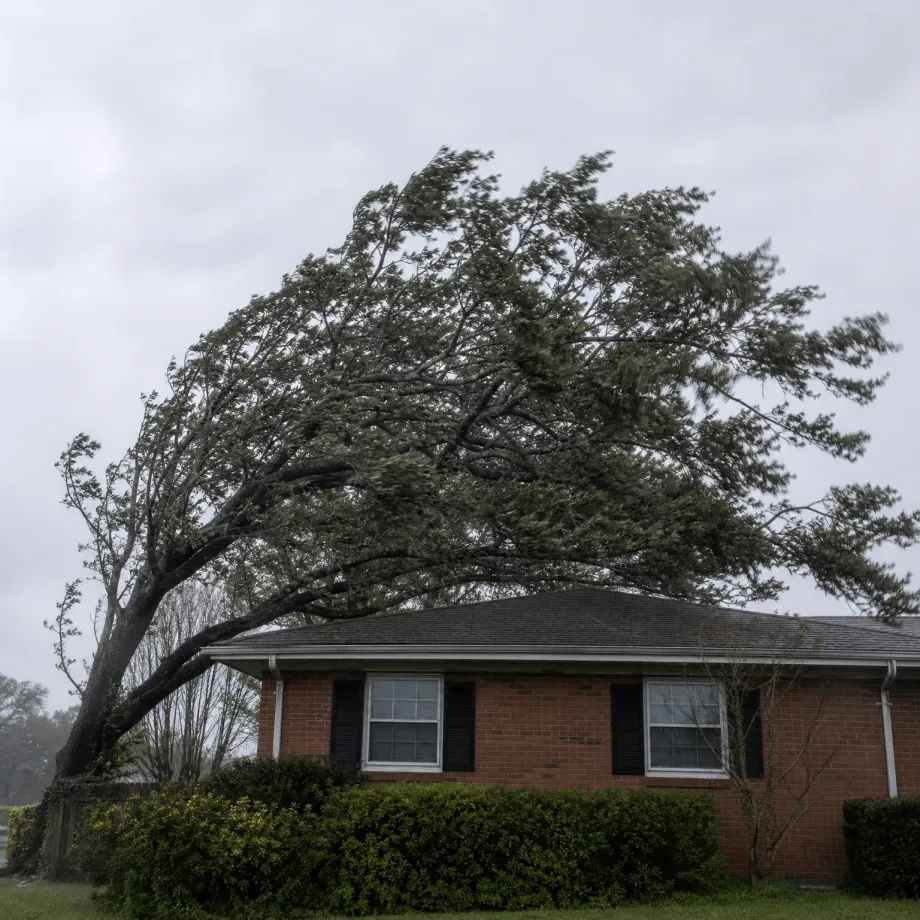
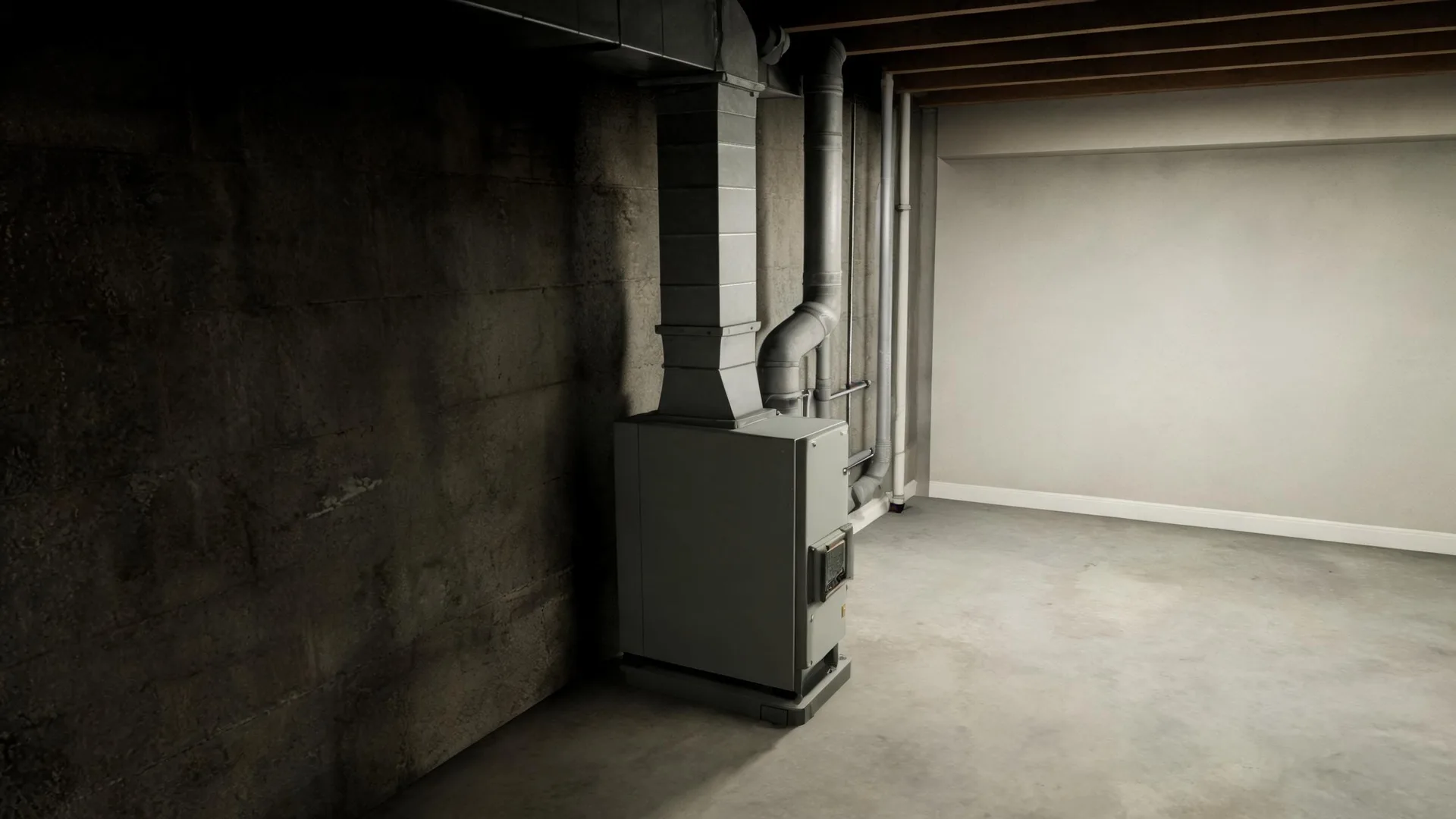
Sizing a furnace for a house in Montgomery County starts with the structure: its insulation, its layout, how it loses heat on a cold night. 81 severe weather events were recorded in Montgomery County, North Carolina between 2015 and 2024. At that rate, severe weather is an occasional fact here, not a constant operating condition, so a contractor does not build the specification around storm exposure. What drives the sizing decision is the thermal envelope of the house and the heating degree load the region actually puts on a system through a normal winter. A contractor who gets that math wrong installs a furnace that short-cycles or one that runs flat out and never catches up.
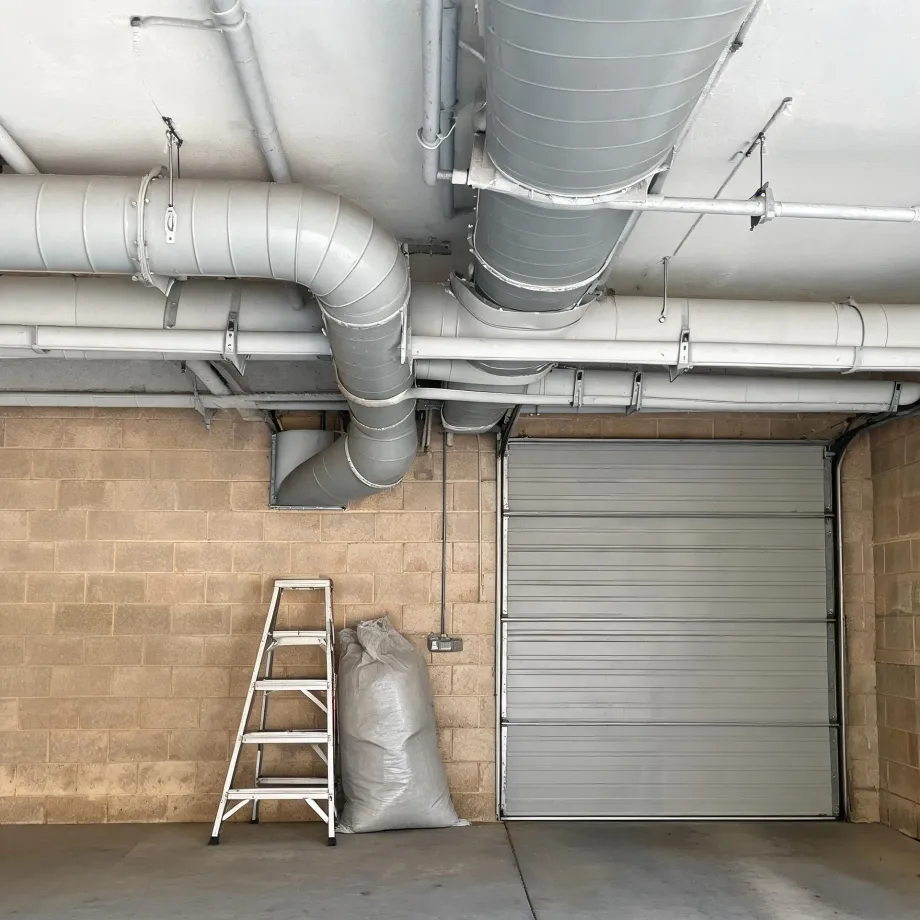
Ductwork laid in for older equipment carries assumptions about airflow, return placement, and trunk sizing that a modern furnace does not share. Half the homes in Montgomery County, North Carolina were built in 1984 or earlier (2020-2024 ACS 5-year). A contractor pricing a furnace installation here will open the supply and return runs before settling on a unit, because what is already in the walls decides whether the new system breathes correctly or fights itself from day one. The electrical is the secondary check, not an afterthought, but the duct layout is where the job either fits or does not.
What Gets Installed With a New Furnace
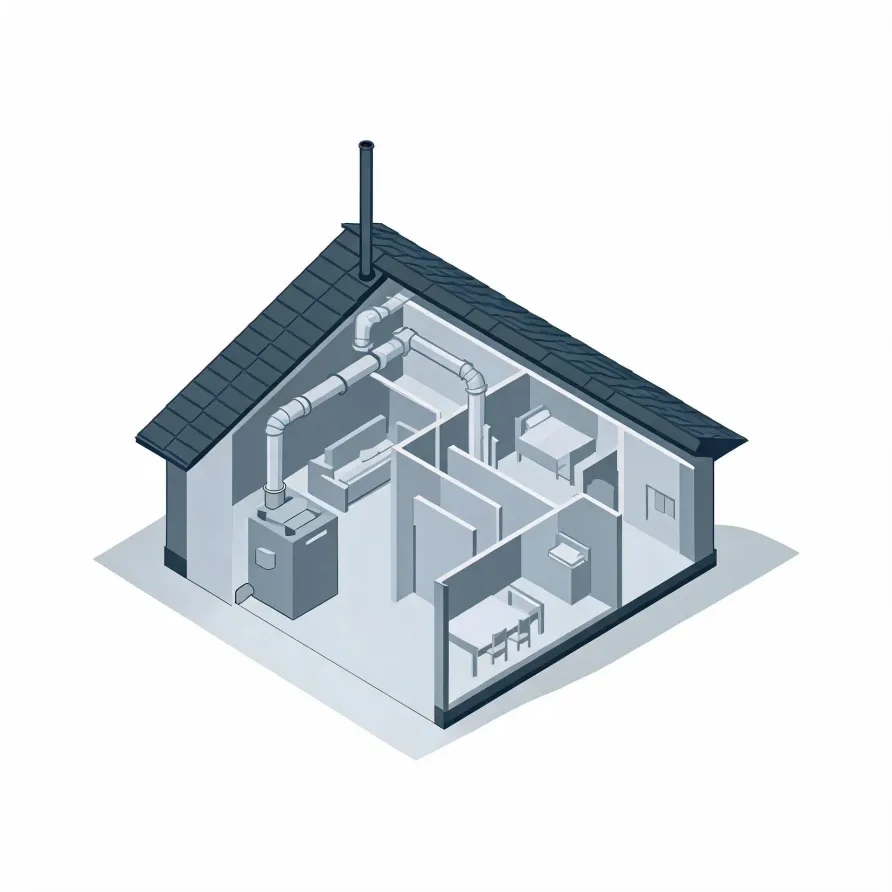
The furnace itself sits in a utility room, basement, or crawlspace and is the core unit a contractor puts in place. A heat exchanger lives inside it, transferring heat to the air moving through, and a blower motor pushes that air out into the home. The flue pipe exits through a wall or roof to carry combustion gases outside.
The thermostat mounts on an interior wall and is the control point the homeowner sees and uses every day. A contractor also connects the furnace to the existing supply and return air openings and installs or replaces the filter housing where air enters the unit before it is heated.
The drawing shows the general layout of these components, and a licensed contractor determines exactly what applies to your house and its existing setup.
Find a contractor in Montgomery CountyMontgomery County, NC, by the numbers
81 severe weather events were recorded in Montgomery County, North Carolina between 2015 and 2024.
NOAA National Centers for Environmental Information, Storm Events Database, bulk CSV export, events 2015-01-01 through 2024-12-31.Half the homes in Montgomery County, North Carolina were built in 1984 or earlier (2020-2024 ACS 5-year).
U.S. Census Bureau, 2020-2024 American Community Survey 5-Year EstimatesMontgomery County, North Carolina holds 14,998 housing units (2020-2024 ACS 5-year).
U.S. Census Bureau, 2020-2024 American Community Survey 5-Year EstimatesOwners occupy 75.0% of the occupied homes in Montgomery County, North Carolina (2020-2024 ACS 5-year).
U.S. Census Bureau, 2020-2024 American Community Survey 5-Year EstimatesFurnace Installation Rules for Montgomery County, North Carolina6 codes, standards, and laws
What the installation looks like on your end
Non-weatherized gas furnaces manufactured on or after November 19, 2015 must reach 80.0 percent AFUE.
Non-weatherized oil-fired furnaces manufactured on or after November 19, 2015 must reach 83.0 percent AFUE.
Mobile home gas furnaces manufactured on or after November 19, 2015 must reach 80.0 percent AFUE.
Non-weatherized gas furnaces manufactured on or after December 18, 2028 must reach 95.0 percent AFUE, up from the 80.0 percent minimum that applies to units manufactured before that date.
Licensing Rules for HVAC Work in Montgomery County, North Carolina
North Carolina issues Class I heating licenses covering all systems in all structures, and Class II licenses covering heating systems in single-family detached residential dwellings.
North Carolina requires a license before any person or firm may engage in, or offer to engage in, the business of heating contracting.
Severe Weather Events in Montgomery County
Weather puts hours on heating equipment. The more a furnace works against the conditions outside, the more sizing, installation quality, and component choices matter for a home in this area.
81 severe weather events, 2015–2024. Source: NOAA National Centers for Environmental Information, Storm Events Database.