Tell us about the job
Takes about a minute. No obligation.
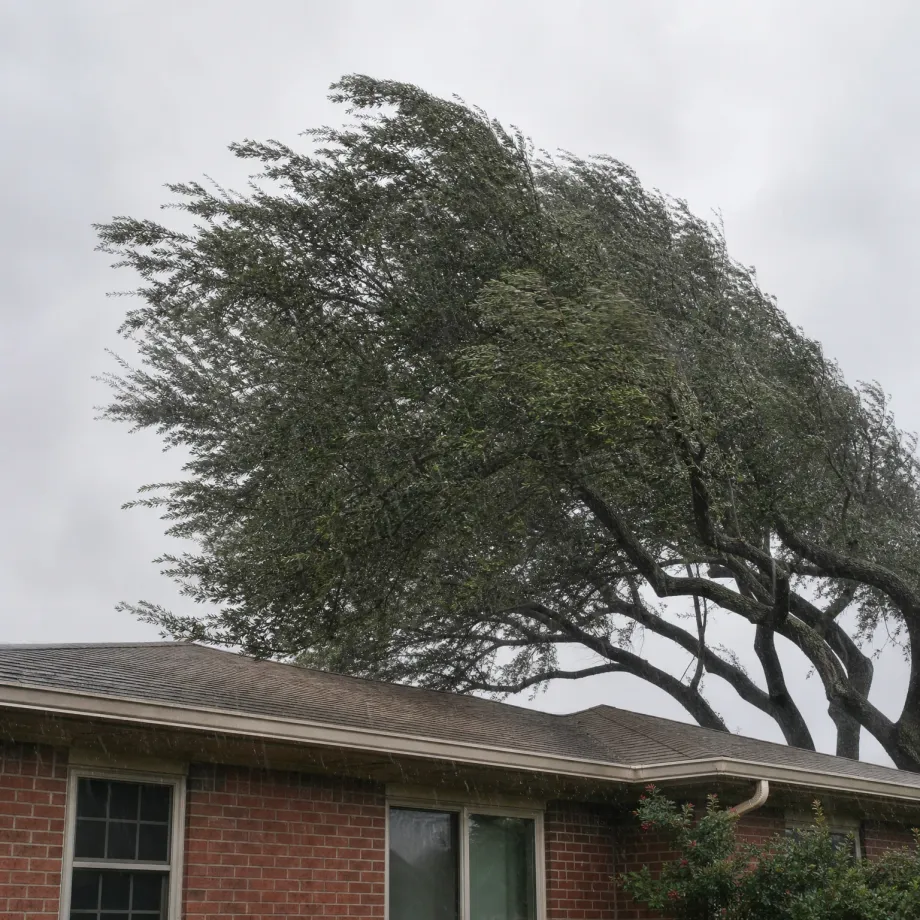
A furnace repair in this area starts with working out what the system has actually been through. 107 severe weather events were recorded in Harnett County, North Carolina between 2015 and 2024. At that rate, severe weather is a genuine factor in the wear a system accumulates, but it shares the list with installation quality and how well the equipment has been maintained. A contractor who finds a cracked heat exchanger or a failing inducer motor will check whether the root cause points to weather-driven stress or to years of deferred service, because the repair scope and the parts ordered follow from that answer.
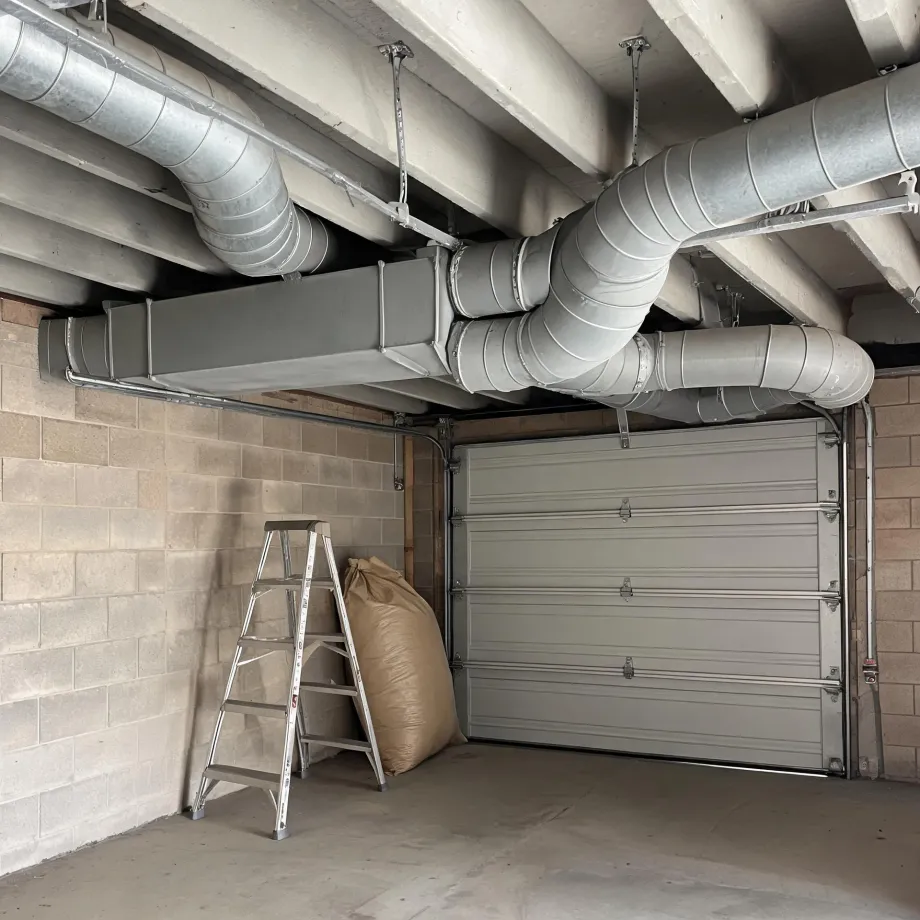
Furnace repairs in housing stock this age tend to open up in ways that are not visible from outside the unit. Half the homes in Harnett County, North Carolina were built in 1997 or earlier (2020-2024 ACS 5-year). A system that has been cycling through Harnett County winters long enough to show trouble at the surface has usually accumulated wear deeper in: at the heat exchanger, at the burner assembly, at the components that rarely get touched until something quits. What a contractor quotes at the door can shift once the cabinet is open and the actual condition of those parts is known.
The Parts of a Furnace a Contractor Checks First
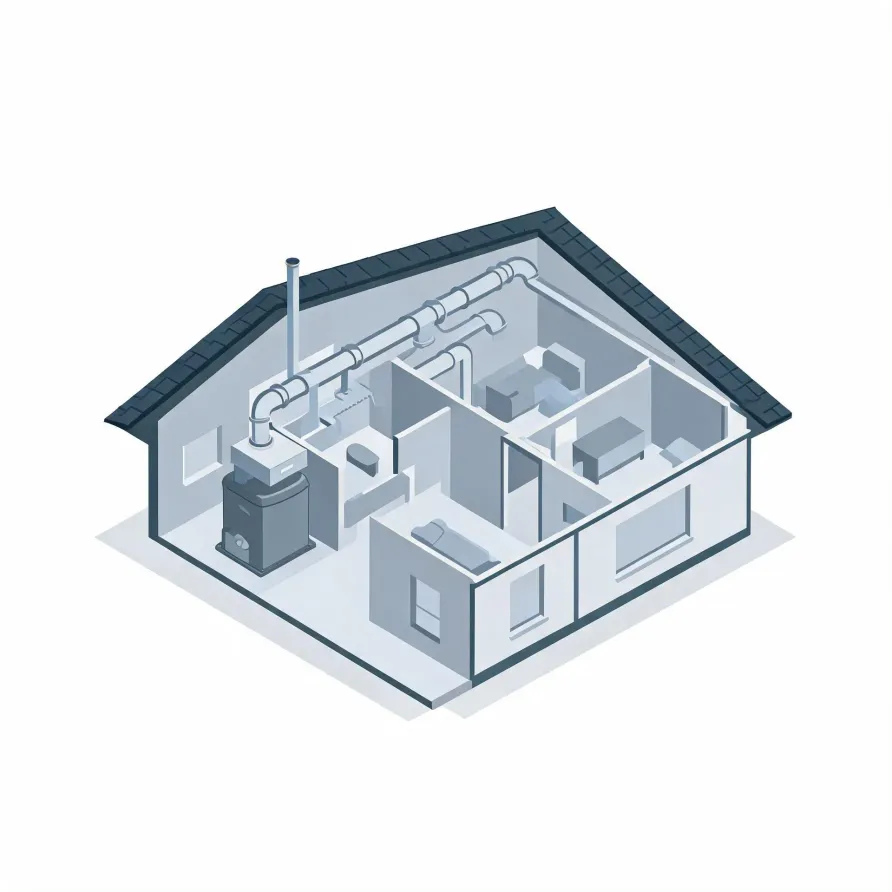
The heat exchanger sits inside the furnace cabinet and is the piece a contractor looks at closely during a repair call. Cracks or corrosion there can let combustion gases into the airstream. The burner assembly sits just below it, and a dirty or misfiring burner is one of the first things flagged when a furnace stops heating properly.
The blower motor and its fan wheel sit at the base of the cabinet and push conditioned air into the supply side of the house. Alongside those, the control board and the igniter are small parts that fail quietly and stop the whole system cold. The flue pipe runs from the cabinet up and out of the house, and a blocked or corroded flue will shut a furnace down as a safety measure.
The drawing shows a typical furnace layout, and a licensed contractor determines which components apply to the specific equipment and setup in your home.
Find a contractor in Harnett CountyHarnett County, by the numbers
107 severe weather events were recorded in Harnett County, North Carolina between 2015 and 2024.
NOAA National Centers for Environmental Information, Storm Events Database, bulk CSV export, events 2015-01-01 through 2024-12-31.Half the homes in Harnett County, North Carolina were built in 1997 or earlier (2020-2024 ACS 5-year).
U.S. Census Bureau, 2020-2024 American Community Survey 5-Year EstimatesHarnett County, North Carolina holds 54,902 housing units (2020-2024 ACS 5-year).
U.S. Census Bureau, 2020-2024 American Community Survey 5-Year EstimatesOwners occupy 71.0% of the occupied homes in Harnett County, North Carolina (2020-2024 ACS 5-year).
U.S. Census Bureau, 2020-2024 American Community Survey 5-Year EstimatesCodes & Standards Governing Furnace Repair in Harnett County, North Carolina6 sourced rules and standards
What Happens When the Contractor Comes Out
Non-weatherized gas furnaces manufactured on or after November 19, 2015 must reach 80.0 percent AFUE.
Non-weatherized oil-fired furnaces manufactured on or after November 19, 2015 must reach 83.0 percent AFUE.
Mobile home gas furnaces manufactured on or after November 19, 2015 must reach 80.0 percent AFUE.
Non-weatherized gas furnaces manufactured on or after December 18, 2028 must reach 95.0 percent AFUE, up from the 80.0 percent minimum that applies to units manufactured before that date.
Licensing Rules for HVAC Work in Harnett County, North Carolina
North Carolina issues Class I heating licenses covering all systems in all structures, and Class II licenses covering heating systems in single-family detached residential dwellings.
North Carolina requires a license before any person or firm may engage in, or offer to engage in, the business of heating contracting.
Severe Weather Events in Harnett County
Weather puts hours on HVAC equipment. Every hard weather event in Harnett County is a load the furnace absorbs, and that load is what drives repair needs over time.
107 severe weather events, 2015–2024. Source: NOAA National Centers for Environmental Information, Storm Events Database.