Tell us about the job
Takes about a minute. No obligation.
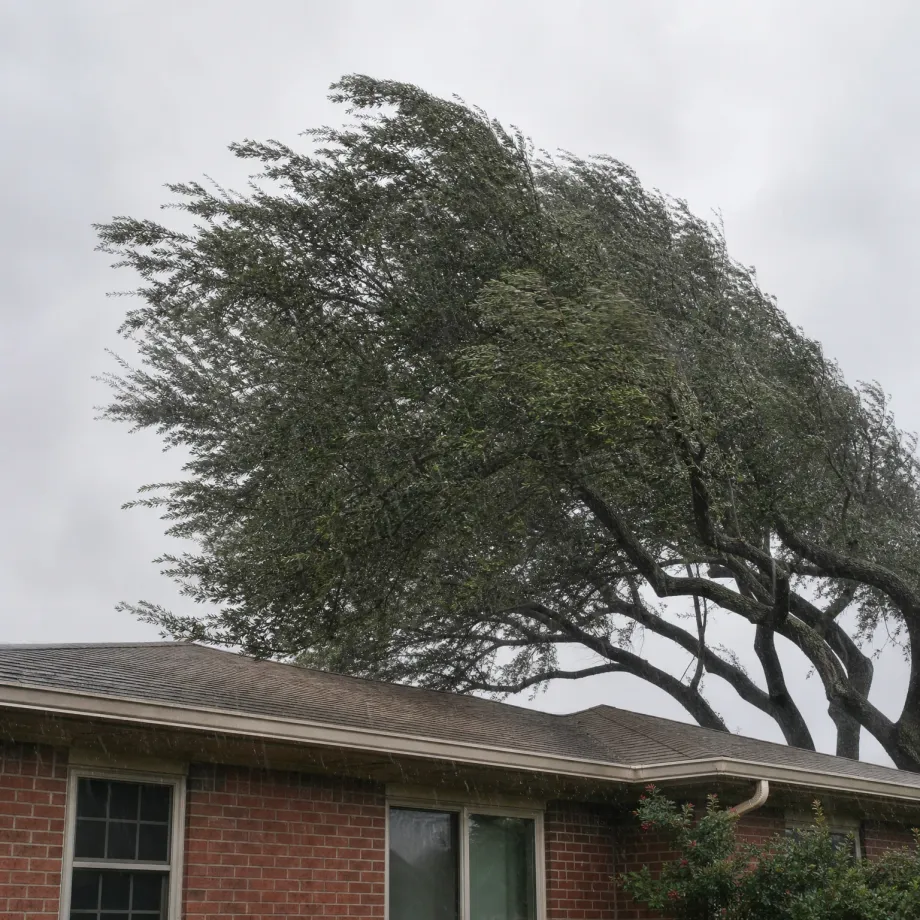
A furnace contractor quoting a job in Columbus County works out the local load before settling on equipment, because sizing that ignores what this climate asks of a heating system leaves a homeowner with a furnace running harder than it was built to. 110 severe weather events were recorded in Columbus County, North Carolina between 2015 and 2024. At that rate, severe weather is a recurring condition here, and a contractor factors it into how a system is specified and sealed rather than treating it as an occasional exception. Ductwork connections, cabinet integrity, and the quality of the install itself all carry more weight in a county with this kind of record than a catalog spec sheet accounts for.
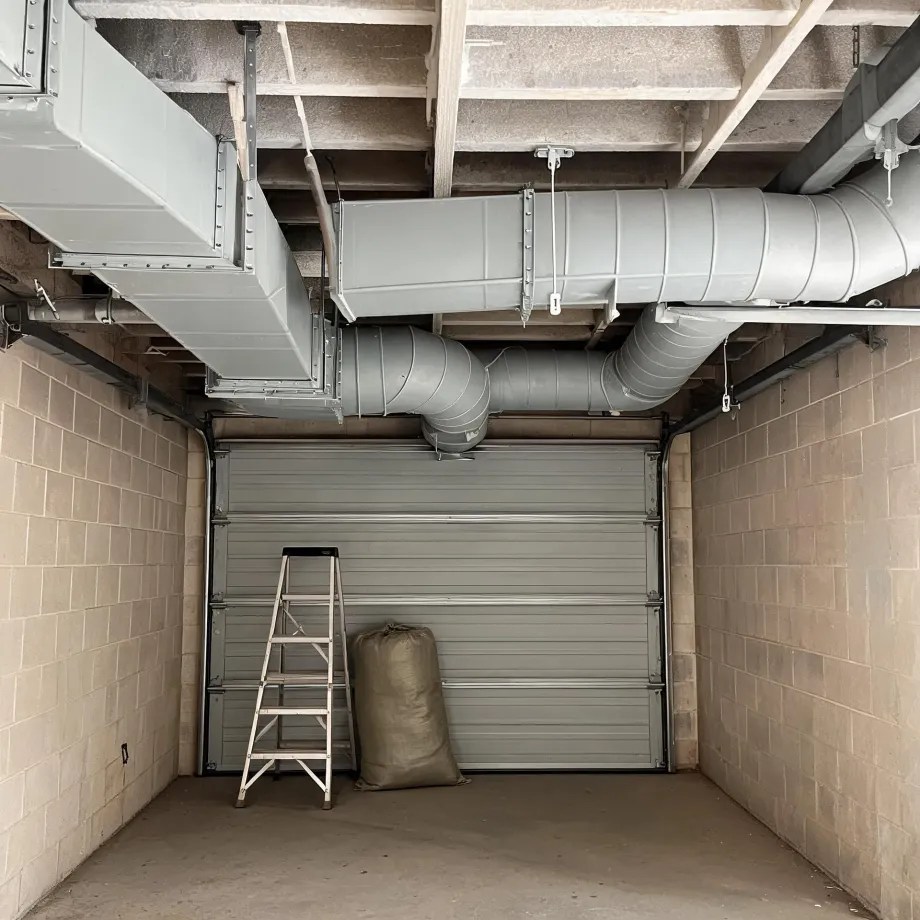
Ductwork laid down when much of this county's housing was new was sized for the equipment of that era, and a new furnace draws and distributes air differently. Half the homes in Columbus County, North Carolina were built in 1982 or earlier (2020-2024 ACS 5-year). A contractor quoting a furnace installation here will open up the existing duct runs and measure what they actually carry before the new unit is ever ordered, because undersized or poorly routed trunk lines cap what a correctly sized furnace can deliver to the rooms. The electrical service gets the same look: a panel that was adequate then may not be wired for what a modern furnace and its controls require.
What Gets Installed With a New Furnace
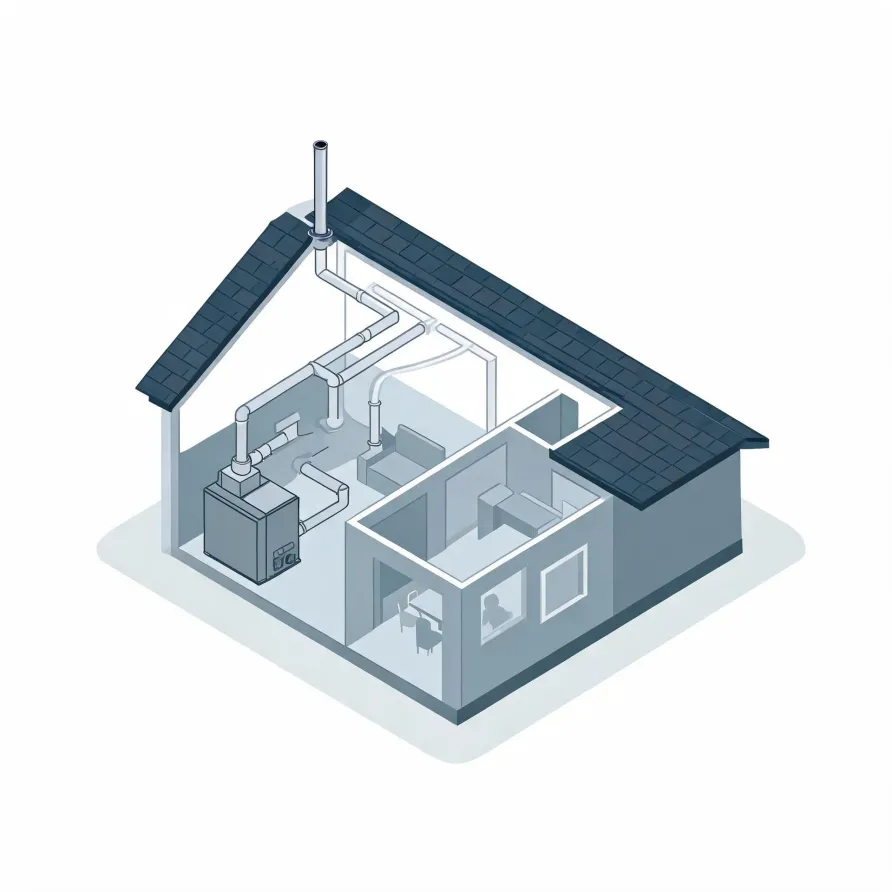
The furnace itself sits in a basement, utility closet, or crawl space and is the unit a homeowner is most likely to have seen before. A contractor sets it in place, connects it to the gas supply, and ties it into the home's existing duct openings. The flue pipe runs from the furnace up and out of the house, carrying combustion gases away.
The air handler cabinet, if separate from the furnace body, mounts nearby and holds the blower that moves conditioned air through the ducts. The thermostat goes on an interior wall and gives the homeowner control over the whole system. A condensate drain line also runs from the unit to a nearby floor drain or utility sink.
The drawing shows a typical layout, and a licensed contractor determines what applies to this particular house.
Find a contractor in Columbus CountyColumbus County by the Numbers
110 severe weather events were recorded in Columbus County, North Carolina between 2015 and 2024.
NOAA National Centers for Environmental Information, Storm Events Database, bulk CSV export, events 2015-01-01 through 2024-12-31.Half the homes in Columbus County, North Carolina were built in 1982 or earlier (2020-2024 ACS 5-year).
U.S. Census Bureau, 2020-2024 American Community Survey 5-Year EstimatesColumbus County, North Carolina holds 23,563 housing units (2020-2024 ACS 5-year).
U.S. Census Bureau, 2020-2024 American Community Survey 5-Year EstimatesOwners occupy 71.1% of the occupied homes in Columbus County, North Carolina (2020-2024 ACS 5-year).
U.S. Census Bureau, 2020-2024 American Community Survey 5-Year EstimatesCodes & Standards for Furnace Installation in Columbus County, North Carolina6 sourced rules and standards
What the installation looks like in Columbus County
Non-weatherized gas furnaces manufactured on or after November 19, 2015 must reach 80.0 percent AFUE.
Non-weatherized oil-fired furnaces manufactured on or after November 19, 2015 must reach 83.0 percent AFUE.
Mobile home gas furnaces manufactured on or after November 19, 2015 must reach 80.0 percent AFUE.
Non-weatherized gas furnaces manufactured on or after December 18, 2028 must reach 95.0 percent AFUE, up from the 80.0 percent minimum that applies to units manufactured before that date.
Licensing and Legal Requirements for HVAC Work in Columbus County, North Carolina
North Carolina issues Class I heating licenses covering all systems in all structures, and Class II licenses covering heating systems in single-family detached residential dwellings.
North Carolina requires a license before any person or firm may engage in, or offer to engage in, the business of heating contracting.
Severe Weather Events in Columbus County
Local weather conditions put real demands on heating equipment over time. A furnace sized and installed for what Columbus County actually sees will hold up better than one spec'd for somewhere else.
110 severe weather events, 2015–2024. Source: NOAA National Centers for Environmental Information, Storm Events Database.